With the spread of global urbanization and the acceleration of the pace of life, urban waste is increasing and has become a global problem that threatens the living environment and health and safety of human beings, and the treatment of urban waste is urgent.
MSW contains a large amount of recyclable and reusable materials, such as high calorific value combustible materials that can be prepared into alternative fuels (RDF, SRF) to reduce the use of coal, organic materials that can be made into compost or used for digester fermentation, and high value recyclables such as plastics, glass, metals and waste paper that can be directly reused or made into raw materials.
The main common disposal methods for municipal waste are landfill, composting and incineration, but all must be shredded and refined before disposal. GEP ECOTECH offers a full range of MSW disposal systems to help improve treatment efficiency and recycling rates through pre-shredding, magnetic separation, screening and fine shredding processes to reduce the volume of MSW and sort them.
GEP ECOTECH can develop the best disposal solution according to the project requirements, effectively reducing project operating costs, using highly automated, stable, efficient, safe and reliable equipment with a low failure rate, completely reducing the volume and weight of domestic waste, saving land area and extending the life of the landfill site.
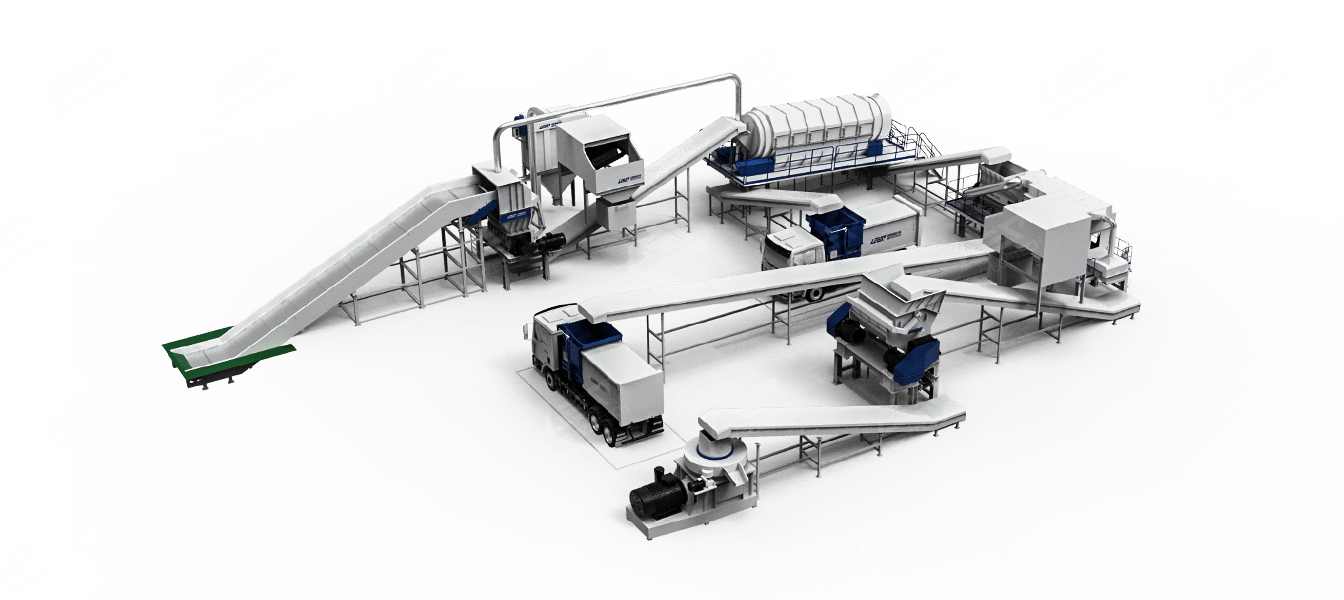
To steadily and uniformly feed mixed MSW into the shredding system, with strong load capacity and continuous operation, suitable for handling bulk materials.
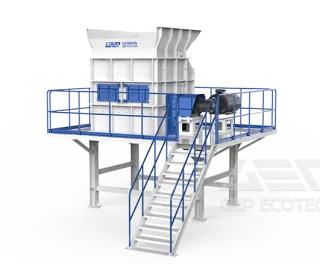
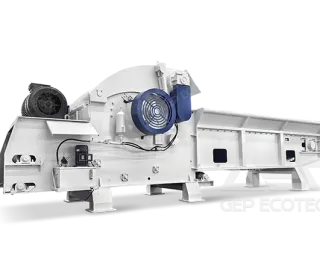
Learn MoreTo primarily shred bulk waste into smaller sized fragments (~100–300mm), with high torque, strong impact resistance, and adaptability to mixed and hard impurities.
Learn MoreTo automatically separate ferrous metals from shredded material, ensuring efficient metal recovery and reducing contamination in subsequent processes.
Learn MoreTo transport material between different processing stages smoothly and consistently, supporting adjustable speed and inclined conveying as needed.
Learn MoreTo classify materials by particle size, effectively separating fine inert residues (soil, glass, etc.) and directing oversized combustibles for further treatment.
Learn MoreTo separate lightweight combustibles (plastics, paper, textiles) from heavier inert materials using controlled airflow, improving fuel quality and recovery efficiency.
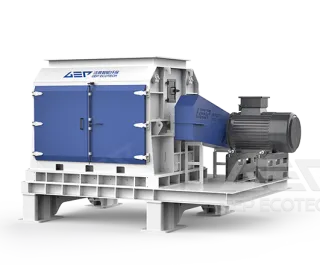
Learn MoreTo further reduce the size of lightweight combustible material into consistent fluff (around 50mm), ensuring uniformity for downstream densification.
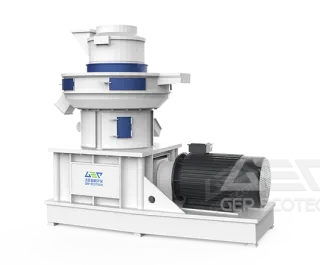
Learn MoreTo compress and extrude shredded combustible material into dense RDF pellets with adjustable diameter and enhanced calorific value per unit volume.
Learn MoreTo capture and filter airborne dust generated during shredding and screening, maintaining clean air in the workspace and meeting environmental emission standards.
Learn More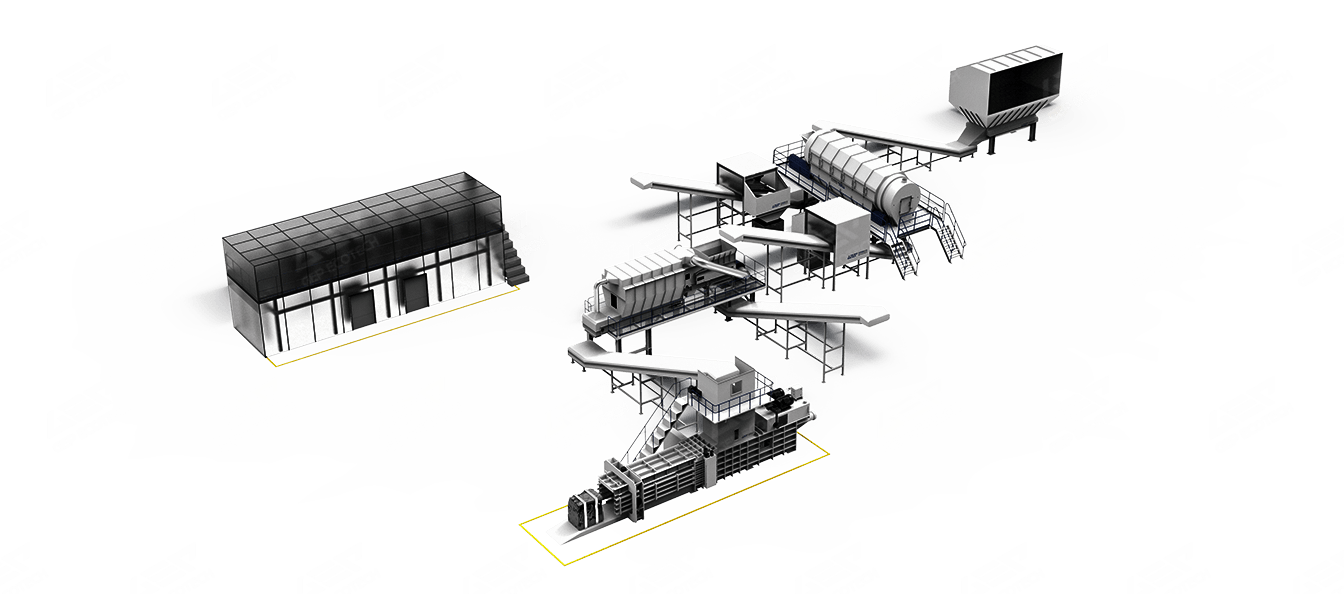
To stably transport stale waste throughout the sorting process, with uniform feeding and antirunoff design suitable for continuous operation.
Learn MoreTo screen stale waste by size, effectively separating fine soil and decomposed organic matter from larger combustible and inert materials.
Learn MoreTo extract ferrous metals from stale waste, ensuring efficient metal recycling with high separation accuracy and low energy consumption.
Learn MoreTo separate lightweight combustibles from heavier inert substances using adjustable airflow, improving fuel quality and recovery efficiency.
Learn MoreTo compress sorted combustible light materials (such as plastics and textiles) into dense and uniform bales, facilitating storage, transport and downstream energy utilization.
Learn More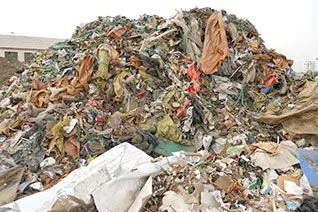
Mixed MSW
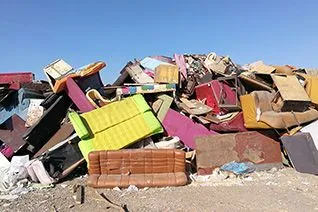
Bulky Waste
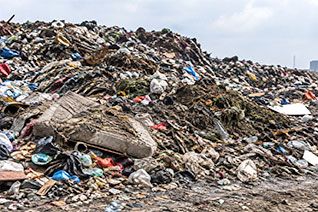
Landfill Waste
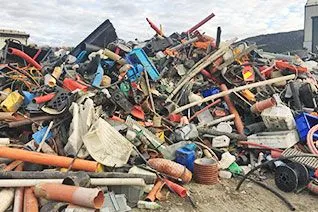
Plastic Waste
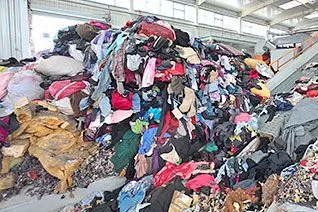
Textile Waste
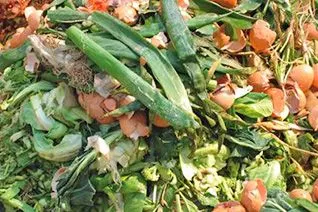
Organic Waste
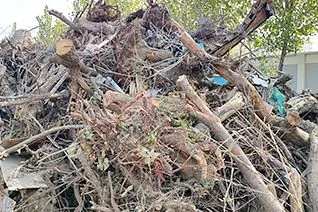
Green Waste
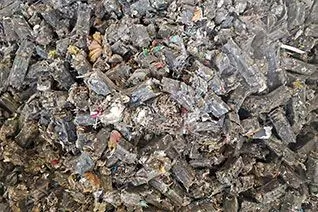
RDF Pellet
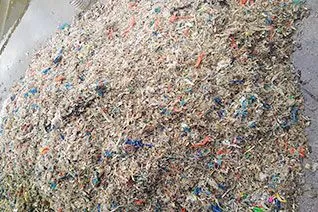
SRF
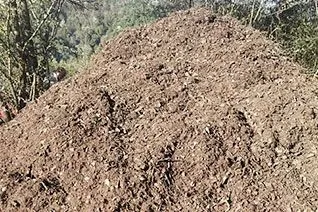
Humus
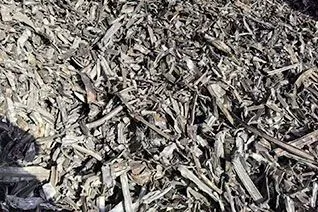
Metal
Tell us your material and capacity — our engineer will reply within 24h with a tailored solution.