Commercial and industrial solid waste is the waste generated during industrial production or commercial activities. There are many different types of waste, including large quantities of waste paper products, waste plastics, rags and various textiles, waste rubber, broken leather products, waste wood and other high calorific value waste. The large amount of industrial and commercial solid waste generated takes up space and may contaminate the soil, groundwater or air and should be disposed of promptly. (Note that commercial and industrial solid waste under this section does not include hazardous and toxic waste, such as medical waste from hospitals, radioactive waste, etc.)
The disposal of commercial and industrial waste revolves around volume reduction, reuse and recycling. Depending on the characteristics of the material, a multi-stage shredder or crusher is used to reduce the volume of the material; separators such as an iron separator is used to separate the reusable metals such as iron, aluminum, copper and zinc; other materials can be recycled after separation, some high calorific value materials can also be produced as fuel and other worthless materials can be sent to landfill.
GEP ECOTECH offers integrated industrial solid waste disposal systems that are not only suitable for specialized solid waste disposal centres, but are also used by companies that generate large quantities of industrial solid waste. They have completely solved the problem of the large volume, complex composition and difficulty of disposal of industrial and commercial waste that exists worldwide.
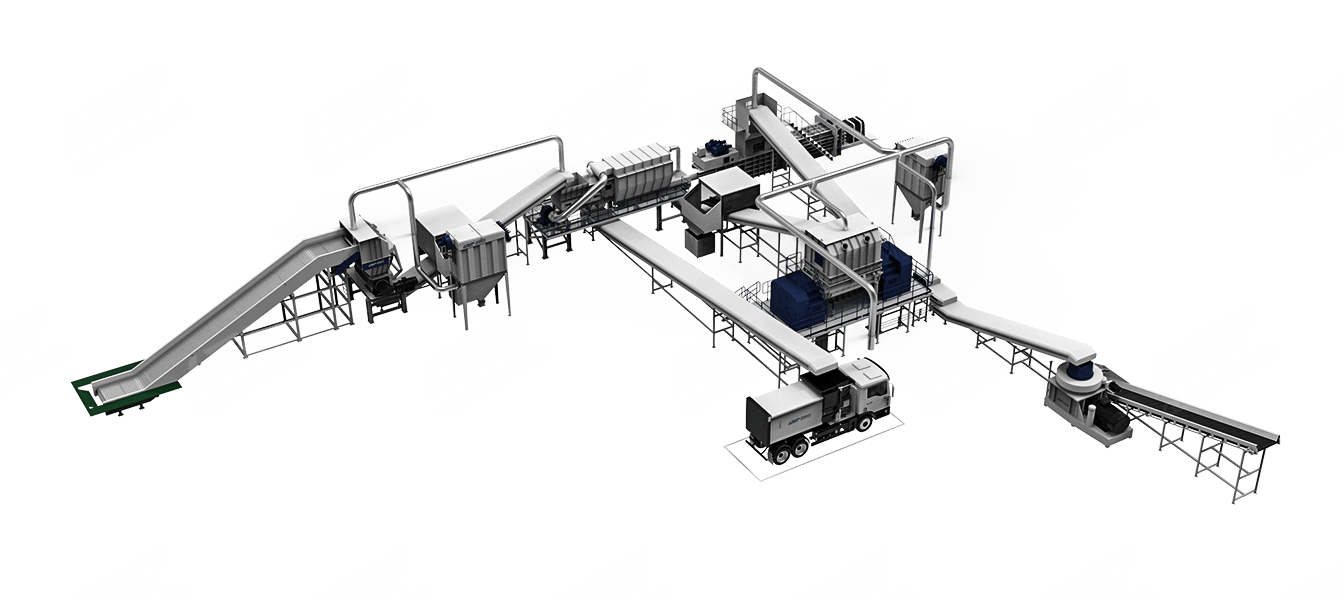
To steadily and continuously feed bulk industrial waste into the shredding system, with a heavy-duty chain-plate structure for durability in harsh environments.
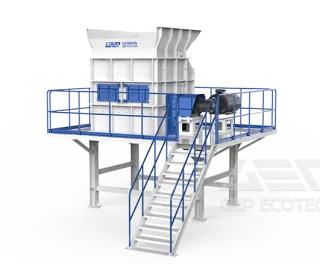
Learn MoreTo primarily shred mixed and bulky industrial solid waste into smaller fragments, with high torque, low-speed shearing action and exceptional adaptability for heterogeneous materials.
Learn MoreTo transport shredded materials between different processing stages, with smooth and efficient operation suitable for various particle sizes.
Learn MoreTo automatically remove ferrous metals (such as iron and steel) from the material stream, with self-cleaning design for continuous, efficient metal recovery.
Learn MoreTo separate light materials (like paper and plastic) from heavier components using controlled airflow, with adjustable wind velocity for precise separation efficiency.
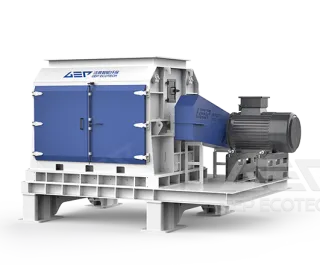
Learn MoreTo finely shred pre-shredded materials into uniform, smaller particles for RDF production, with adjustable screen size for precise control over final output dimensions.
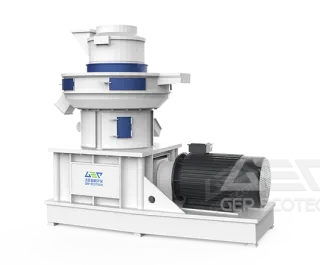
Learn MoreTo compress and mold processed high-calorific waste into dense, uniform RDF pellets, with high-pressure compaction ensuring stable shape and combustion value.
Learn MoreTo compress shredded or sorted materials into compact, high-density bales for easy storage and transportation, with powerful hydraulic system for efficient baling.
Learn MoreTo capture and filter airborne dust particles generated during the shredding and conveying processes, with automatic pulse cleaning for sustained filtration efficiency and improved working environment.
Learn More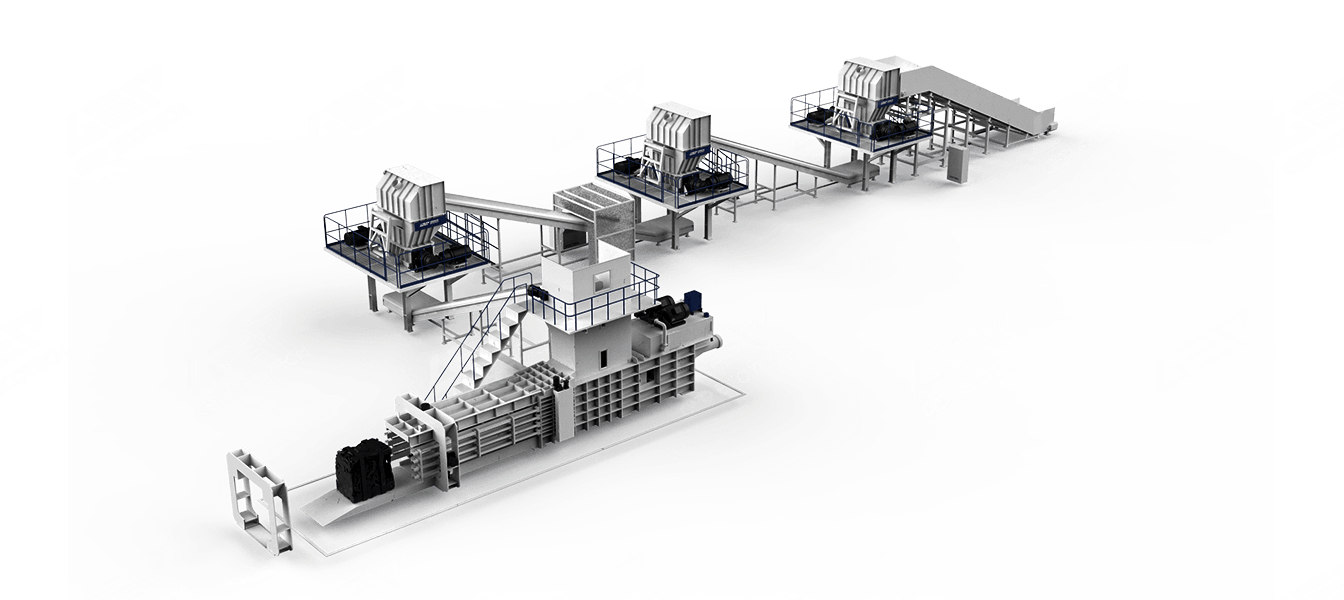
To reliably feed bulk and uneven industrial waste into the primary shredder, with a heavy-duty design for continuous operation under high-load conditions.
Learn MoreTo initially reduce the size of bulky and complex mixed waste, with high torque and robust construction for primary, first-stage shredding.
Learn MoreTo transport shredded materials between the different shredding stages, with a stable and continuous conveying surface suitable for various fragment sizes.
Learn MoreTo perform intermediate shredding on pre-shredded materials, with optimized cutter design for further size reduction and preparation for magnetic separation.
Learn MoreTo automatically extract ferrous metals from the shredded material stream after secondary shredding, with high recovery efficiency to purify the feedstock and protect downstream equipment.
Learn MoreTo finely shred materials into uniform, small-sized fragments ideal for alternative fuel production, with precision control over final output size.
Learn MoreTo compress the finely shredded and purified material into dense, rectangular SRF bales, with high-pressure compaction for optimal density, handling, and transportation efficiency.
Learn More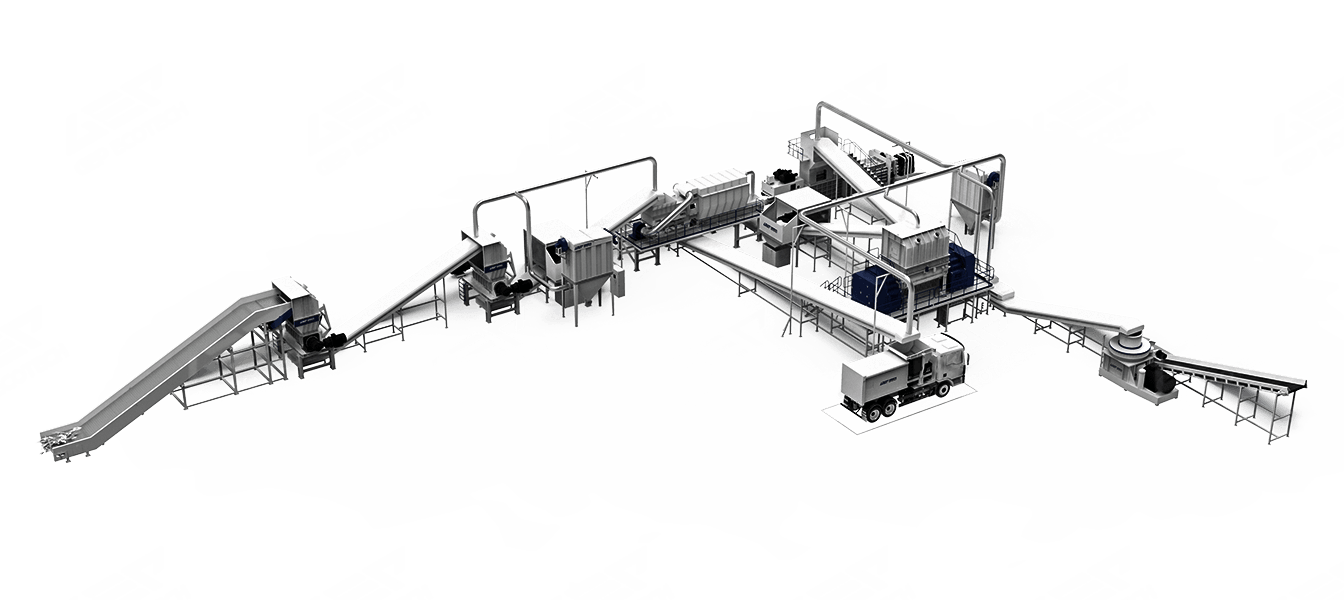
To reliably receive and feed bulk, uneven industrial waste into the primary shredding stage, with a heavy-duty design capable of handling large and varied inputs.
Learn MoreTo perform primary shredding of mixed solid waste, utilizing low-speed, high-torque shearing to break down bulky and complex materials.
Learn MoreTo continuously transport shredded materials between processing stages, providing a stable and efficient flow that connects the entire production line.
Learn MoreTo conduct further intermediate shredding, refining the particle size to prepare the material optimally for subsequent sorting and fine shredding.
Learn MoreTo automatically extract ferrous metals from the shredded material stream, effectively purifying the combustible fraction and protecting downstream equipment.
Learn MoreTo separate light materials (such as films and foams) from heavier fragments using controlled airflow, significantly enhancing the purity and calorific value of the fuel-bound stream.
Learn MoreTo finely shred the sorted materials into uniform, small-sized particles suitable for RDF production, with adjustable screens for precise final size control.
Learn MoreTo compress and mold the fine, high-calorific shred into dense, standardized RDF pellets, ensuring consistent shape and combustion properties.
Learn MoreTo compress materials into dense, regular bales for efficient storage and transportation, offering an alternative product form to fuel pellets.
Learn MoreTo capture and filter airborne dust generated throughout the shredding and conveying processes, maintaining a clean production environment and ensuring environmental compliance.
Learn More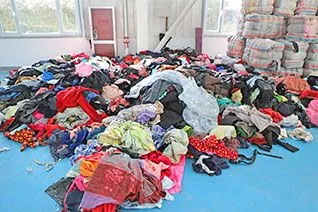
Textile Waste
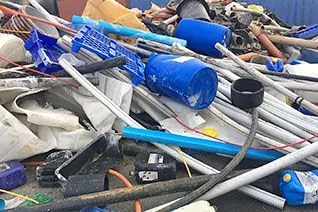
Waste Plastic
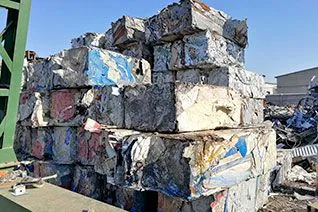
Scrap Metal
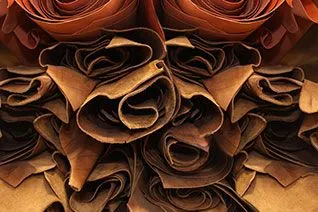
Scrap Leather

Paper Mill Twisted Rope
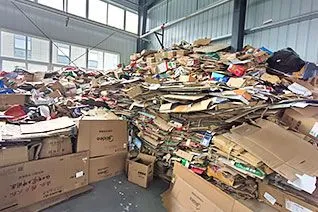
Paper & Cardboard Waste (OCC Waste)
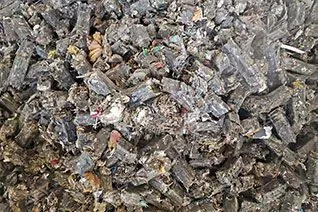
RDF Pellet
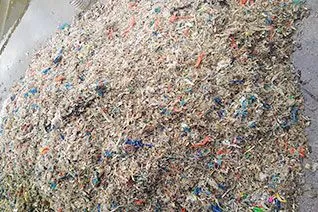
SRF
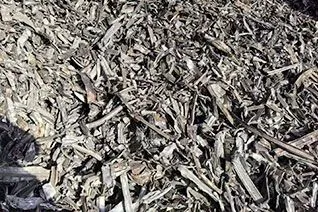
Metal
Tell us your material and capacity — our engineer will reply within 24h with a tailored solution.