Construction and demolition waste (C&D Waste) comprises of the debris generated during construction and demolition activities, is a golden resource in the wrong place. After sorting, shredding and recycling, most of them can be reused as recycled resources. For example, scrap metal can be made into various sizes of steel; bricks, stones and concrete can be used to replace sand for masonry mortar and plastering mortar, and can also be used to make paving bricks, lattice bricks and other building material products; combustible materials such as wood panels, plastics, doors and windows can be used as fuel to generate electricity.
GEP ECOTECH's construction and demolition waste disposal system maximizes the recovery of usable materials from waste through a series of processes such as mechanical sorting, crushing, shredding, soil removal, iron removal, air separation and flotation, reducing pollution and improving resource utilization while creating economic value.
The disposal system is available in both stationary and mobile versions. The stationary version has a complete production system that allows continuous production, facilitates integrated management and effectively controls production costs; the mobile version is ideal for small to medium production requirements and environments where operations are often mobile, flexible, easy to transfer, no infrastructure required and economical. We can configure the most reasonable and efficient disposal solution according to customers needs.
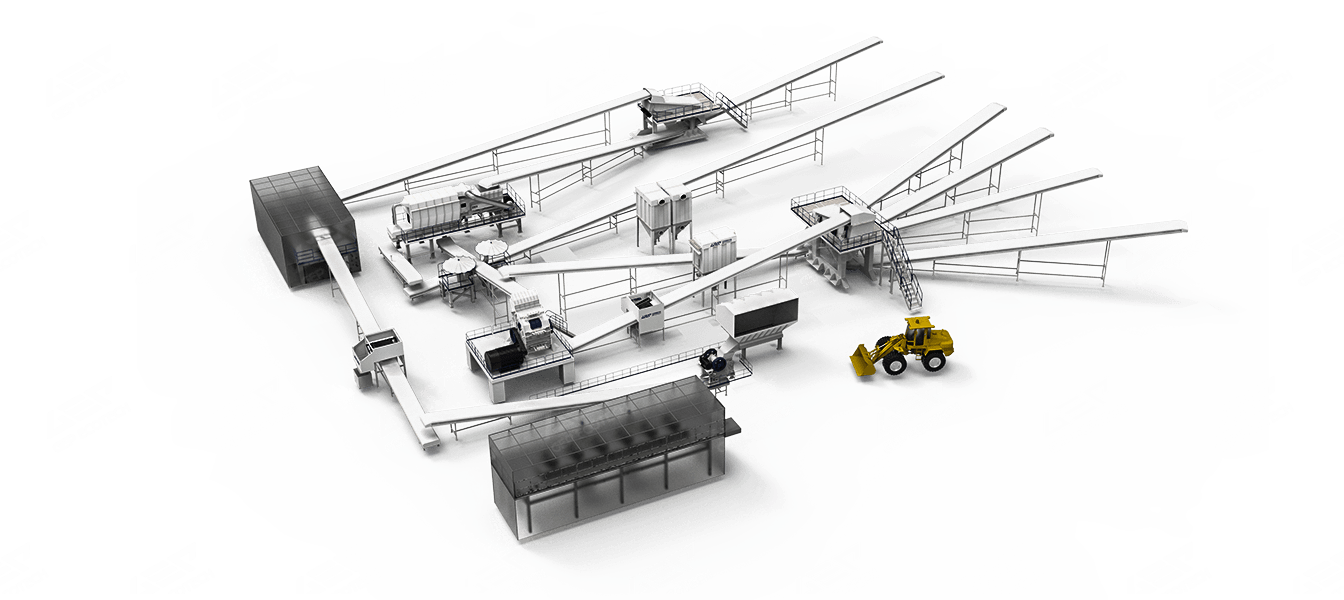
To primarily crush large concrete blocks and demolition debris into smaller, manageable fragments, with robust construction and high crushing efficiency.
Learn MoreTo continuously and steadily transport materials between different processing stages, ensuring smooth and efficient workflow throughout the plant.
Learn MoreTo automatically remove ferrous metals (such as rebar and nails) from the mixed material stream, achieving high-purity metal recovery.
Learn MoreTo efficiently screen and classify sticky or damp materials, preventing clogging and ensuring precise size separation of aggregates.
Learn MoreTo separate light materials (such as plastics, wood, and paper) from heavier aggregates using controlled airflow, enhancing the purity of end products.
Learn MoreTo secondarily crush and shape pre-crushed materials into well-formed, high-quality recycled aggregates with excellent grain size distribution.
Learn MoreTo further purify recycled aggregates by removing residual non-ferrous light substances, ensuring final product quality meets construction standards.
Learn MoreTo effectively capture and control airborne dust generated throughout the crushing and screening processes, ensuring environmentally compliant and clean operation.
Learn More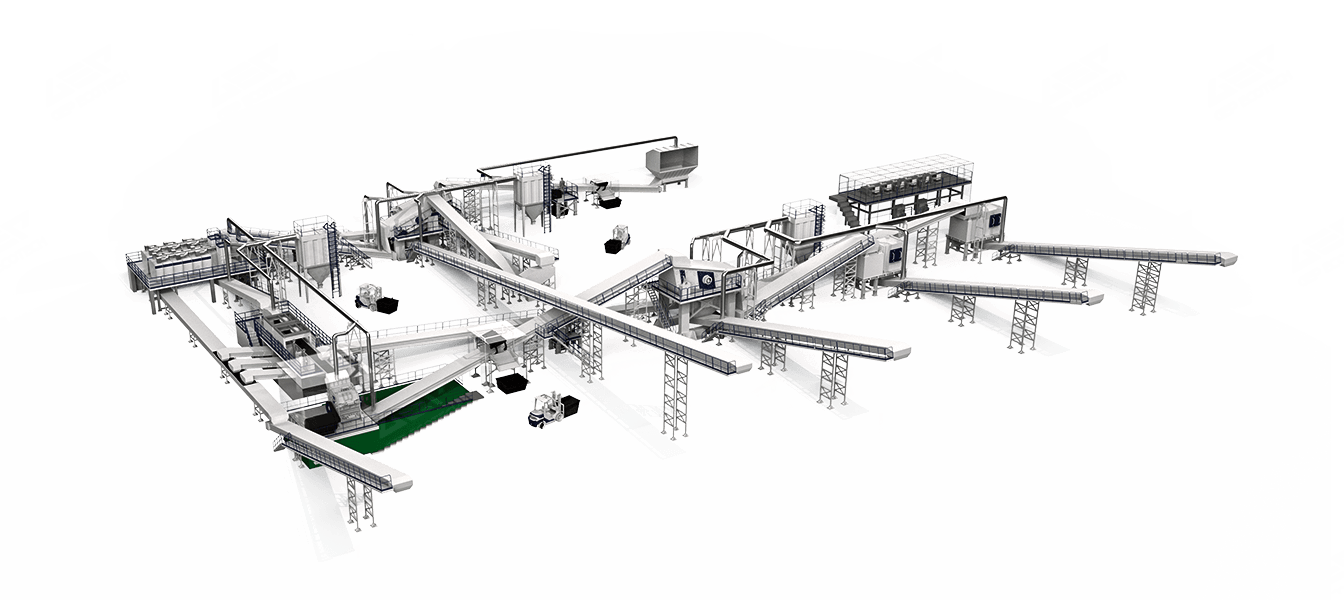
To continuously transport mixed waste between processing stages, ensuring smooth material flow.
Learn MoreTo automatically remove ferrous metals (e.g., nails, screws) from the waste stream for recovery.
Learn MoreTo effectively screen damp or sticky materials in the initial sorting phase.
Learn MoreTo separate light materials (plastics, paper, etc.) from heavier aggregates using airflow.
Learn MoreTo crush pre-sorted masonry debris into well-shaped recycled aggregates.
Learn MoreTo classify crushed materials into specified aggregate sizes (e.g., 0-5mm, 5-10mm).
Learn MoreTo remove remaining non-ferrous light materials, ensuring final product purity.
Learn MoreTo capture dust from processing, ensuring clean and compliant operation.
Learn More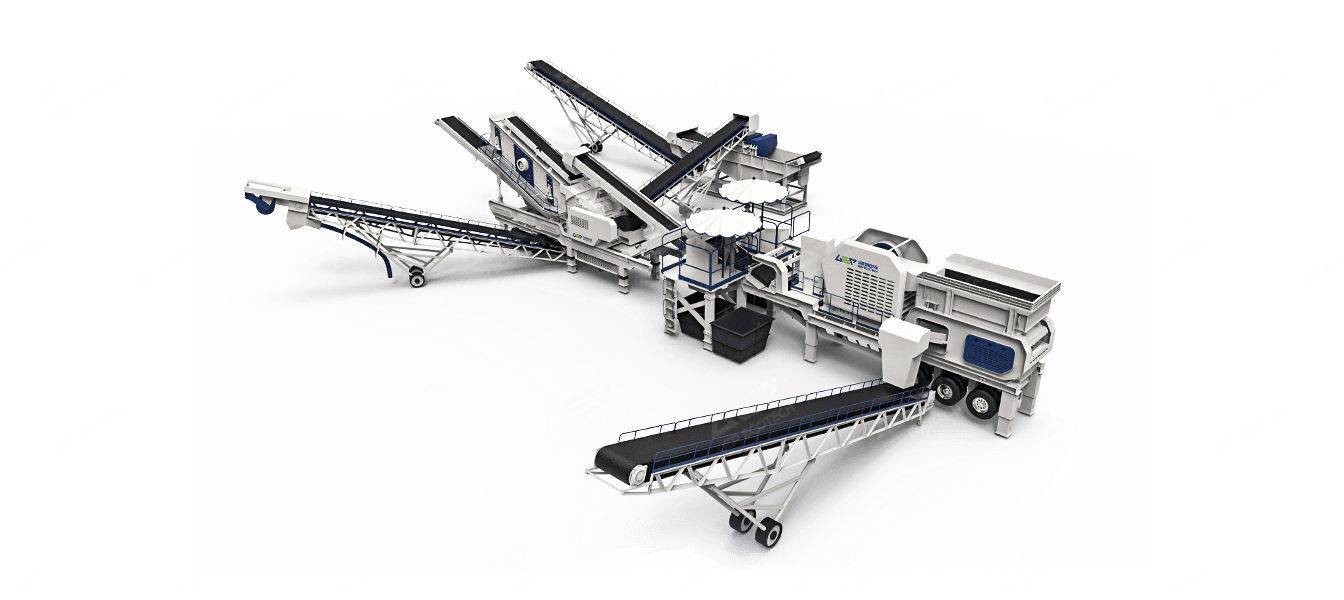
To provide integrated primary and secondary crushing capabilities directly at the project site, with high mobility and quick setup for on-the-spot processing.
Learn MoreTo efficiently separate crushed materials into different sized fractions (e.g., fine sand, coarse aggregate) on-site, with compact design and flexible configuration.
To further purify recycled aggregates by removing light contaminants (like paper and plastics) or to suppress dust through wet processing, enhancing final product purity and quality.
Learn More
Construction Waste
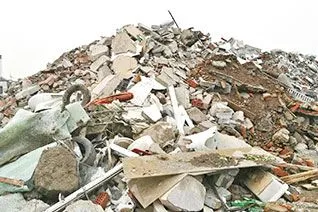
Demolition Waste

Aggregate
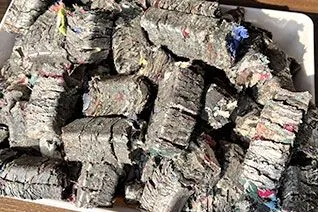
Alternative Fuel
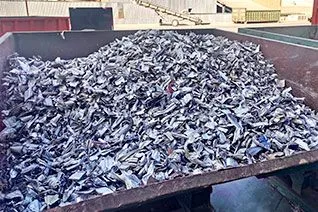
Metal

Plastic

Wood

Recycling Residue
Tell us your material and capacity — our engineer will reply within 24h with a tailored solution.