RDF is a fuel made from MSW, industrial or commercial waste by shredding, screening, wind separating, iron removal, drying, addition of chemicals and compression. RDF fuel has a high calorific value, stable combustion, easy transportation, easy storage, low secondary pollution and low dioxin emissions
Solid Recovery Fuel (SRF) is a fuel made from non-hazardous waste according to European EN 15359 for use in incineration plants or co-incineration facilities for the purpose of energy recovery and reuse.
RDF/SRF fuels are currently used primarily for electricity and heating, but can also be used as an alternative fuel for cement plants. The use of RDF/SRF fuels helps to reduce reliance on limited fossil fuels while reducing carbon emissions to meet tightening global environmental requirements.
GEP ECOTECH is experienced in the field of RDF/SRF fuel preparation and can offer a comprehensive range of integrated disposal solutions. The equipment required for the system is stable and efficient, safe and reliable, with a low failure rate and low installed power, which significantly reduces system operating costs.
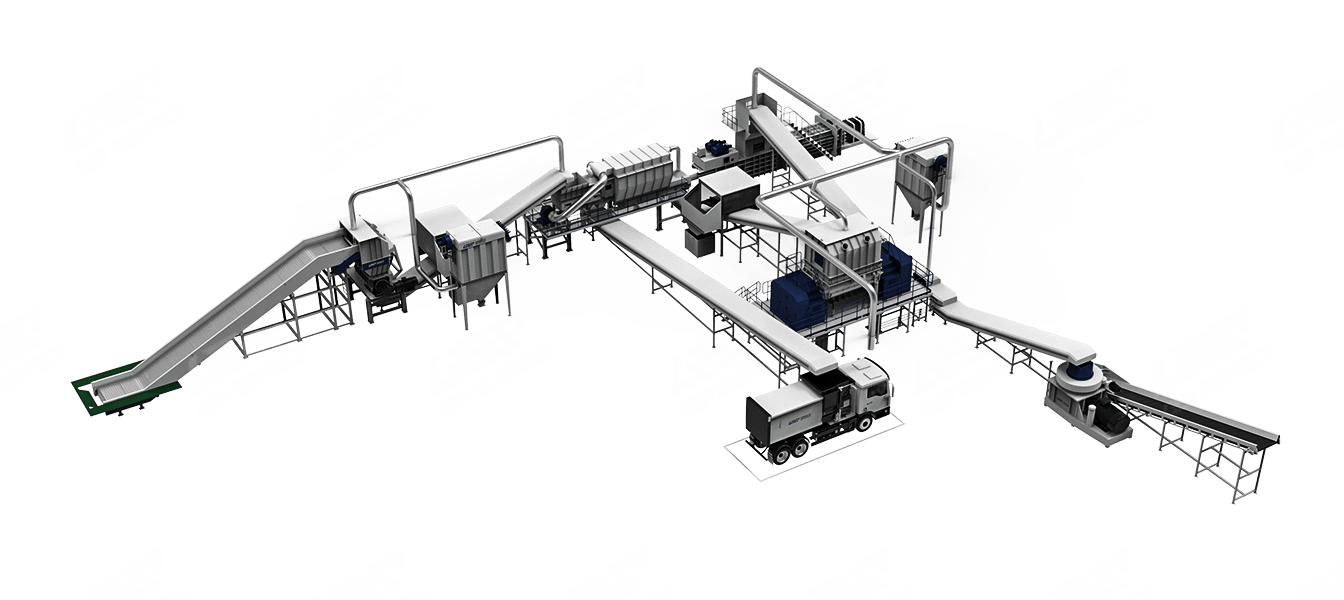
To steadily feed bulk industrial waste into the system, with heavy-duty capacity and wear-resistant design.
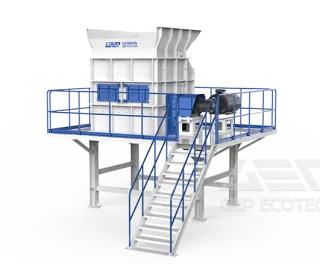
Learn MoreTo primarily and powerfully shred mixed industrial waste into smaller fragments, with high throughput and adaptability for complex materials.
Learn MoreTo transport materials between process stages, with continuous operation and flexible layout configuration.
Learn MoreTo separate light combustible materials (like plastics and paper) from heavy inert residues, using aerodynamic principles for efficient sorting.
Learn MoreTo automatically remove ferrous metals (such as iron and steel) from the waste stream, with high-efficiency recovery and protection for downstream equipment.
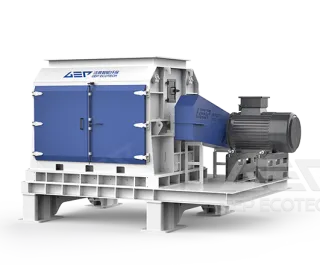
Learn MoreTo finely shred the sorted combustibles into uniform particles, with precise size control for optimal densification.
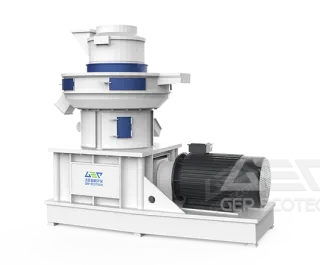
Learn MoreTo compress the prepared feedstock into high-density solid fuel pellets or briquettes, with stable shaping and high calorific value output..
Learn MoreTo compact the final RDF/SRF products into dense bales for easy storage and transportation, with high pressure and automated operation.
Learn MoreTo capture and filter airborne dust generated throughout the process, ensuring clean operation and environmental compliance.
Learn More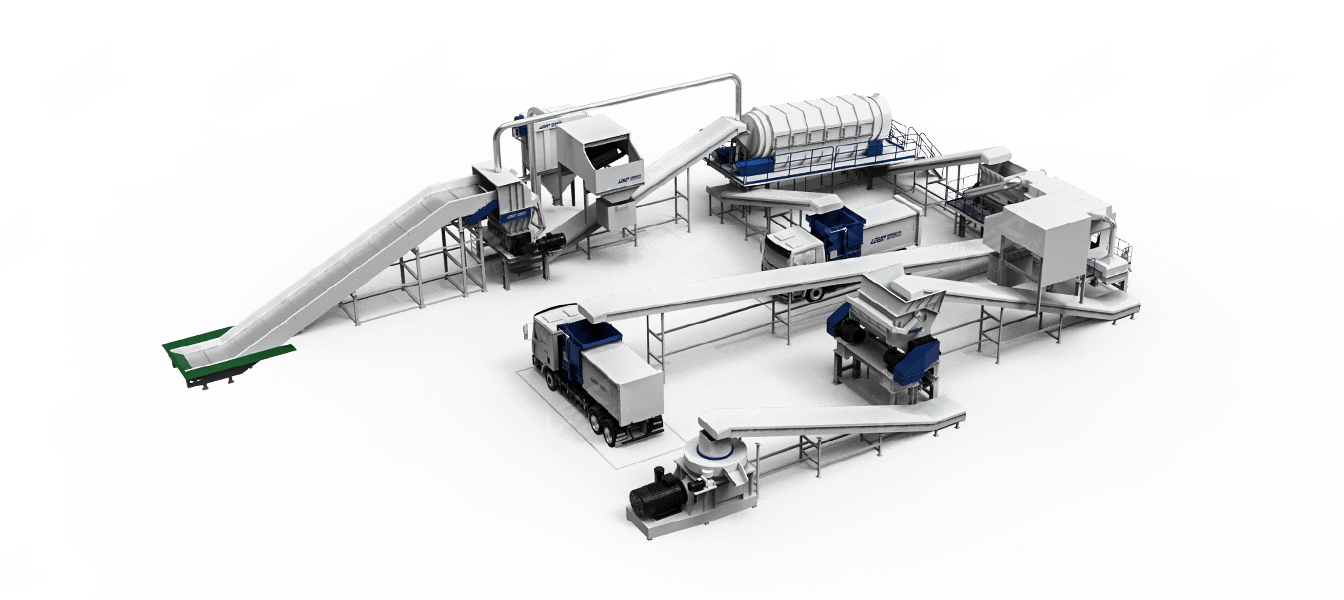
To initially receive and steadily feed mixed municipal solid waste into the preprocessing line, with heavy-duty design for handling bulky and uneven materials.
Learn MoreTo primarily shred the fed MSW into smaller, more uniform fragments, with high torque and resistance to hard inclusions.
Learn MoreTo automatically remove ferrous metals (such as irons and steels) from the shredded waste stream, protecting downstream equipment and recovering recyclables.
Learn MoreTo continuously transport materials between the shredding, screening, and sorting stages, ensuring a smooth and enclosed workflow.
Learn MoreTo separate the incoming material into different size fractions, effectively removing fine organics (fines) and oversized inert materials.
Learn MoreTo separate light combustible materials (like plastics and paper) from heavier residues based on aerodynamic properties, refining fuel quality.
Learn MoreTo finely shred the sorted light combustible fraction into uniform particles, providing optimal feedstock size for the densification process.
Learn MoreTo compress the prepared fine shreds into high-density, solid fuel pellets, enhancing calorific value and ease of handling.
Learn MoreTo capture and filter airborne dust generated throughout the shredding and screening processes, ensuring clean operation and environmental compliance.
Learn More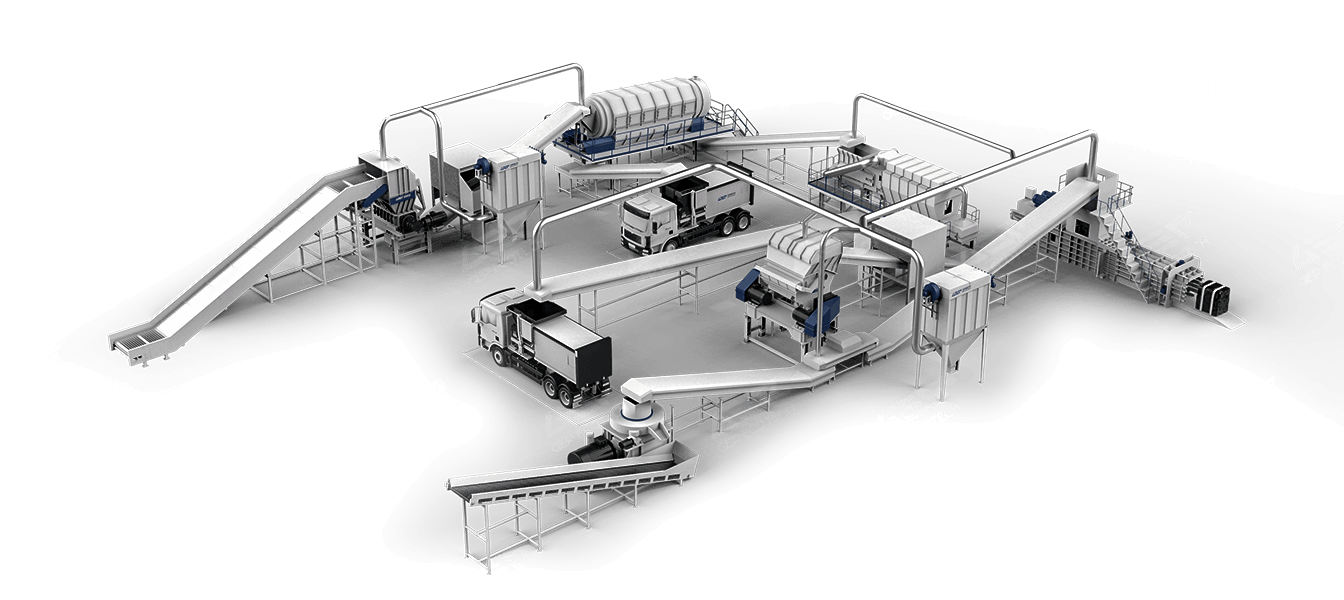
To initially receive and steadily feed mixed demolition and renovation waste into the preprocessing line, with heavy-duty construction for handling bulky and abrasive materials.
Learn MoreTo primarily and robustly shred bulky demolition waste into smaller fragments, with high torque and shear force to process mixed materials containing wood, plastics, and mild contaminants.
Learn MoreTo automatically remove ferrous metals from the shredded waste stream, protecting downstream equipment and recovering valuable scrap.
Learn MoreTo continuously and steadily transport materials between the shredding, screening, and sorting stages, ensuring a smooth and enclosed workflow throughout the plant.
Learn MoreTo separate the material into different size fractions, effectively removing fine granules or powders (like gypsum dust) and oversized inert debris (like broken concrete blocks).
Learn MoreTo precisely separate the target light combustible fraction (mainly wood, plastics, paper) from heavier non-combustible residues, utilizing aerodynamic principles for high-purity fuel extraction.
Learn MoreTo finely shred the purified light combustible fraction into uniform particles, providing optimally sized feedstock with high bulk density for the densification process.
Learn MoreTo compress the prepared fine shreds into high-density, high-calorific-value solid fuel pellets, enhancing energy density and handling properties.
Learn MoreTo compact the final RDF pellets or SRF fluff into dense, uniform bales for efficient storage, transportation, and feeding into combustion facilities..
Learn MoreTo capture and filter airborne dust generated throughout the shredding, screening, and conveying processes, ensuring clean operation and compliance with environmental health standards.
Learn More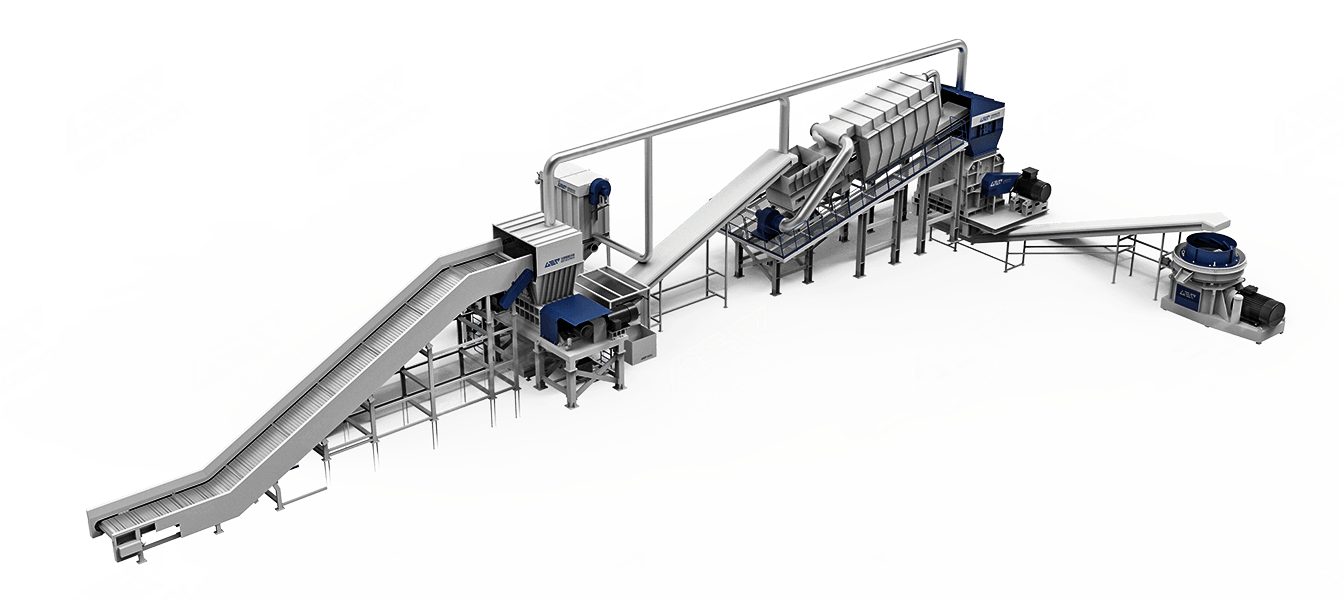
To steadily receive and feed bulk biomass residues (like straw bales and wood chips) into the system, with heavy-duty plates suitable for handling uneven and bulky materials.
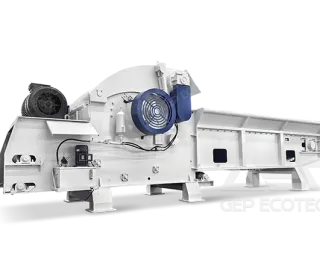
Learn MoreTo primarily shred the fed biomass into smaller strips or chips, with high torque and shear force ideal for breaking down fibrous materials.
Learn MoreTo automatically remove incidental ferrous metals from the biomass stream, protecting subsequent fine-grinding equipment.
Learn MoreTo continuously and steadily transport materials between the shredding, cleaning, and grinding stages, ensuring a smooth and enclosed workflow.
Learn MoreTo efficiently remove dust, sand, and other heavy inert impurities from the light biomass material, utilizing airflow to improve feedstock purity.
Learn MoreTo finely grind the pre-cleaned biomass into uniform, small particles, with high-speed impact ensuring high throughput and optimal particle size for bonding.
Learn MoreTo compress the fine biomass particles into high-density, high-calorific-value solid fuel pellets, with high pressure and temperature enhancing durability.
To capture and filter airborne dust particles generated during shredding, grinding, and conveying, ensuring clean operation and a safe working environment.
Learn More
Textile Waste

Biomass

Waste Mattress

Scrap Leather

Wooden Pallet

SRF

RDF Pellet

Metal

Wood
Tell us your material and capacity — our engineer will reply within 24h with a tailored solution.