Waste tires are known as "black gold mines" and are of great recycling value. For example, direct retreading and reuse, recycling steel wire to make steel, rubber grinding to make rubber powder, pyrolysis to make oil, cement rotary kiln or power station alternative fuel (TDF), etc., the benefits are considerable.
Market data shows that recycled products from shredding and grinding of waste tires are more expensive than directly recycled tires. GEP ECOTECH has been working with waste tires for many years and offers a wide range of options for recycling waste tires.
Shredding and grinding: complete waste tires are shredded and ground to remove non-rubber impurities (nylon fibres, steel wires) to obtain different mesh sizes of pure rubber powder. These materials can be used to make recycled rubber, modified asphalt, runways and other products.
Cracking pre-treatment: After being shredded into blocks and separated from the steel wire, waste tires are sent to a pyrolysis reactor where they are made into oil for use as fuel, combustible gas for power generation and carbon black, which is more expensive on the market.
Making TDF: The calorific value of waste tires is over 8000 kcal, which is higher than burning coal at 5000 kcal. Cement plants, power plants, steel plants and smelters in many European and American countries use shredded waste tires as fuel to reduce production costs for their companies.
GEP ECOTECH designs professional and reliable tire recycling solutions based on project requirements. We guarantee our customers the highest production quality and recovery rates, while reducing energy consumption and production costs.
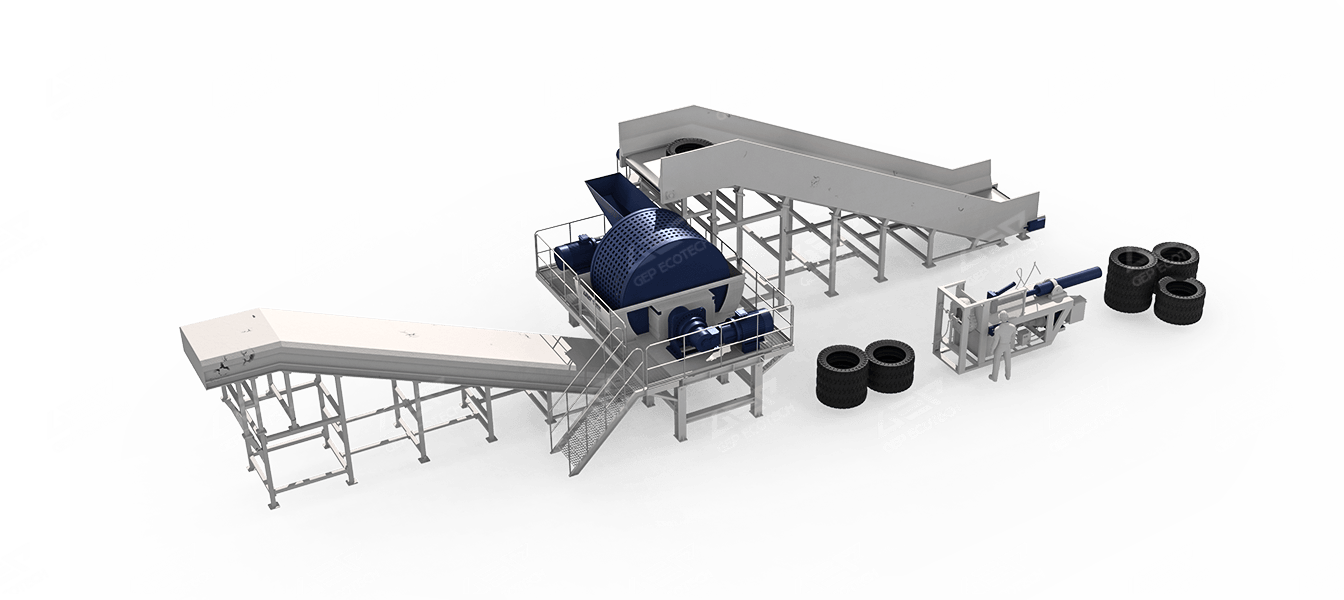
To precisely cut and remove tire bead wires from whole tires, with high efficiency steel separation.
Learn MoreTo reliably convey whole tires or large shredded materials in heavy-duty applications, with robust construction and stable operation.
Learn MoreTo primarily shred waste tires into uniformly sized tire chips/TDF (around 50mm), with high capacity and strong adaptability.
Learn MoreTo efficiently transport bulk materials like tire chips or TDF over distances or at inclines, with high efficiency and smooth, low-noise operation.
Learn More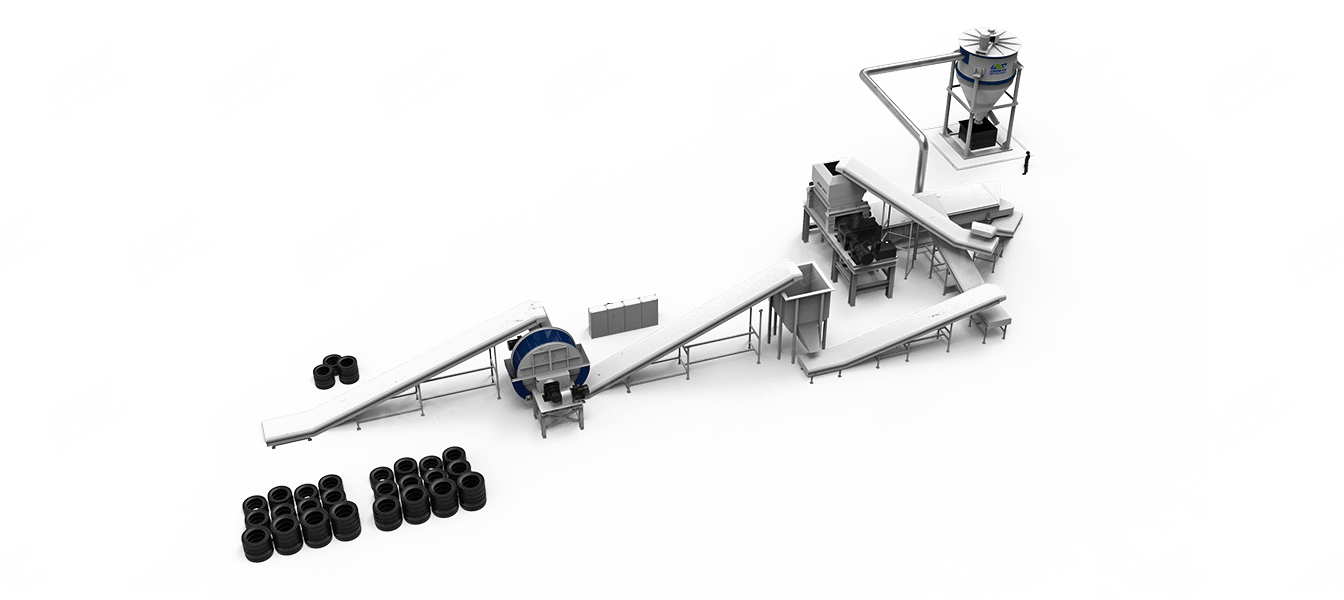
To continuously transport materials between processing stages, ensuring smooth and efficient production flow.
Learn MoreTo primarily shred waste tires into uniformly sized rubber chips (around 50mm), with high capacity and strong adaptability.
Learn MoreTo finely grind rubber chips into rubber granules (1–10mm) or rubber powder (up to 30–40mesh), as raw material for high-value applications.
Learn MoreTo remove residual nylon and textile fibers from rubber powder, producing purified rubber material for quality-sensitive applications.
Learn More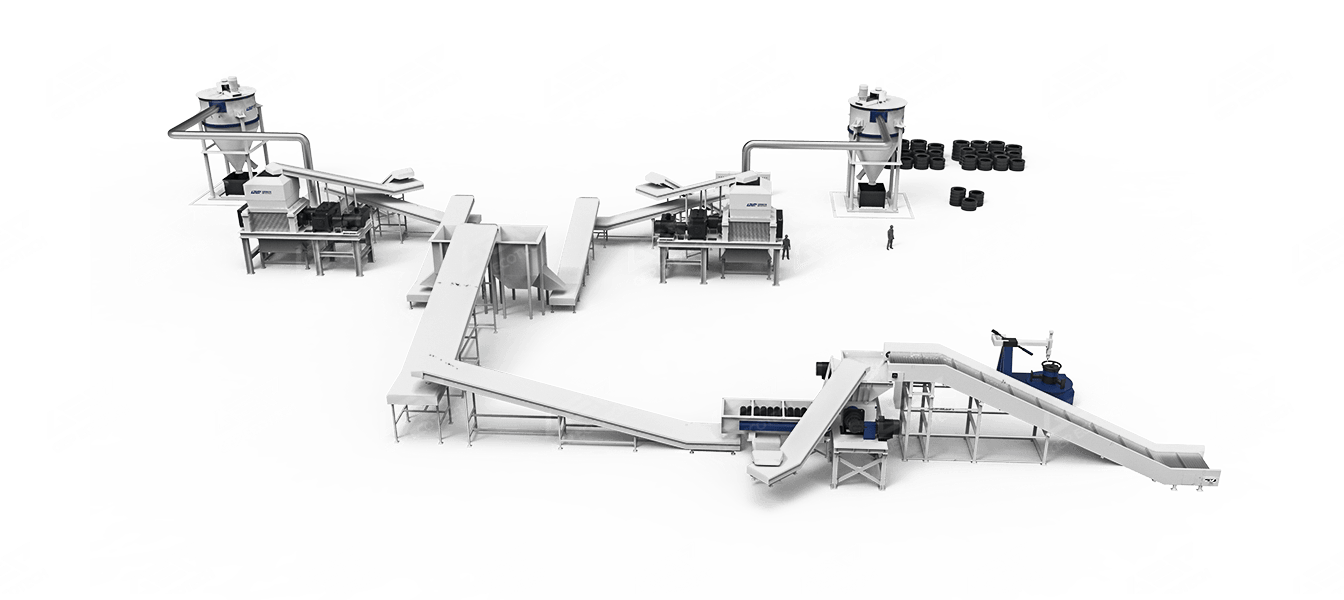
To forcefully remove tire bead from whole tires, with powerful hydraulic cutting and efficient bead-ring separation.
To steadily convey whole tires or large shredded materials, with robust construction suitable for heavy-duty loading.
Learn MoreTo primarily shred debeaded tires into smaller rubber blocks, with high torque and adaptive capacity for various feeds.
Learn MoreTo screen and classify shredded material by size, with efficient separation and continuous operation for improved process flow.
Learn MoreTo transport rubber chips, granules or powder between processing stages, with smooth operation and low energy consumption.
Learn MoreTo finely grind screened rubber into uniform granules/powder, with adjustable particle size control for pyrolysis-ready feedstock.
Learn MoreTo remove residual textile fibers from rubber granules/powder, with effective air separation ensuring high-purity rubber output.
Learn More
Scrap Tire
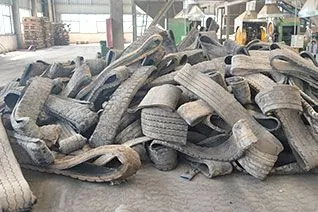
Rubber Waste
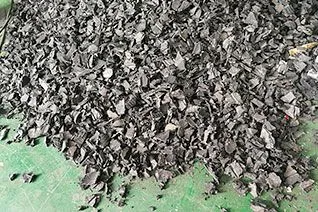
TDF
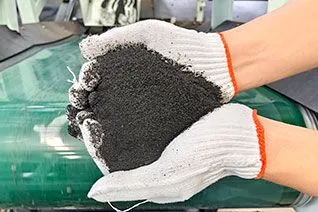
Rubber Powder
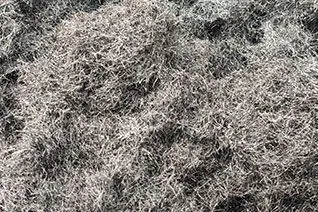
Tire Wire
Tell us your material and capacity — our engineer will reply within 24h with a tailored solution.