Biomass is the most widespread material on earth, such as tree branches, bamboo, wood, straw, crop stalks, fruit shells, bagasse, (oil palm) EFB (Empty Fruit Bunch), are all very good biomass fuels (biofuels). The use of biomass for power generation is a renewable energy source, which can reduce the use of fossil energy, promote the comprehensive use of resources, reduce pollution and waste, and has therefore become popular in many countries in Europe and America. Of course, in addition to direct-fired power generation, shredded biomass can also be used for paper making, fermentation for biogas, feed and other uses.
Modern power stations have almost exacting requirements for combustion efficiency, which not only means more energy is produced, but also less pollution to the environment. GEP ECOTECH's biomass pre-shredding system not only efficiently breaks up bales of biomass material, but also shreds them to a uniform size suitable for burning in a boiler.
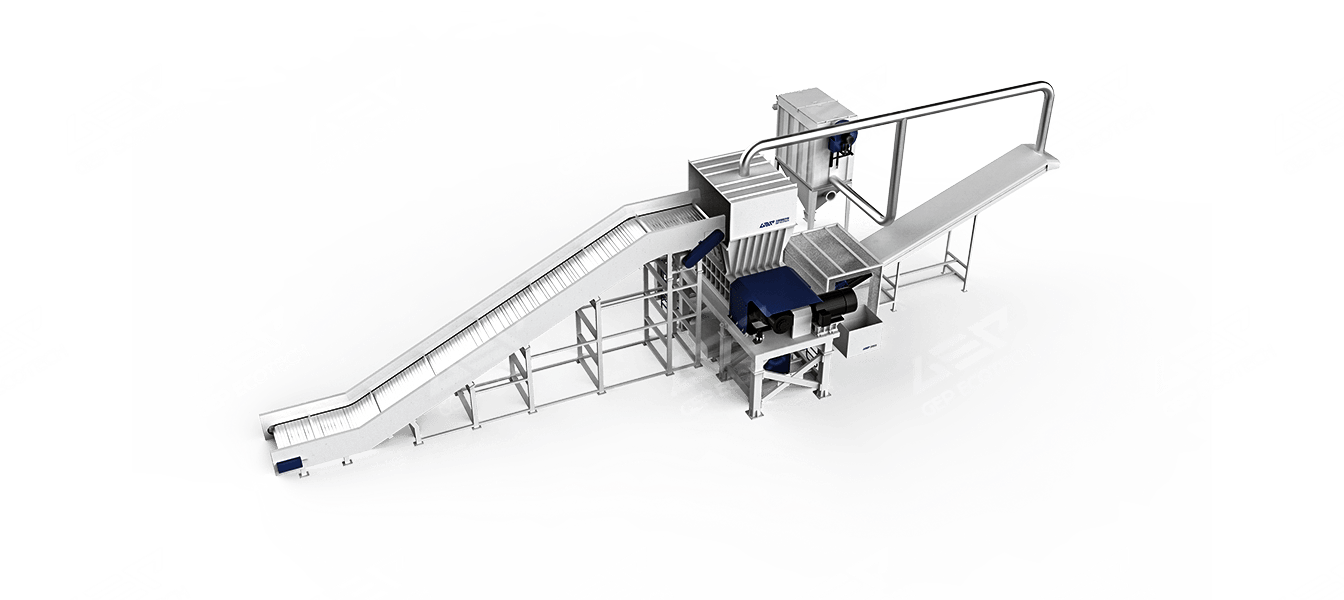
To steadily and intelligently supply bulk biomass to the primary shredder, preventing clogging with its robust design and adaptive speed control.
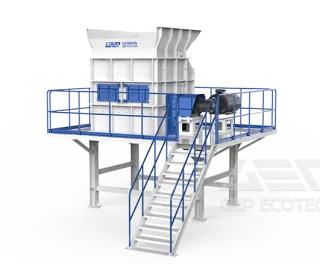
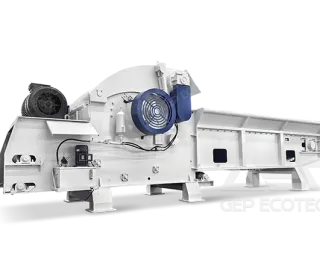
Learn MoreTo primarily shred diverse biomass into smaller pieces, featuring a heavy-duty cutting chamber for high-volume processing and strong adaptability.
Learn MoreTo efficiently remove ferrous metals from the shredded biomass stream, protecting downstream equipment and improving fuel purity.
Learn MoreTo continuously transport processed biomass between different stages of the system (e.g., from shredder to storage), ensuring smooth material flow.
Learn MoreTo effectively capture and filter dust particles generated during shredding and conveying, ensuring clean operation and meeting environmental standards.
Learn More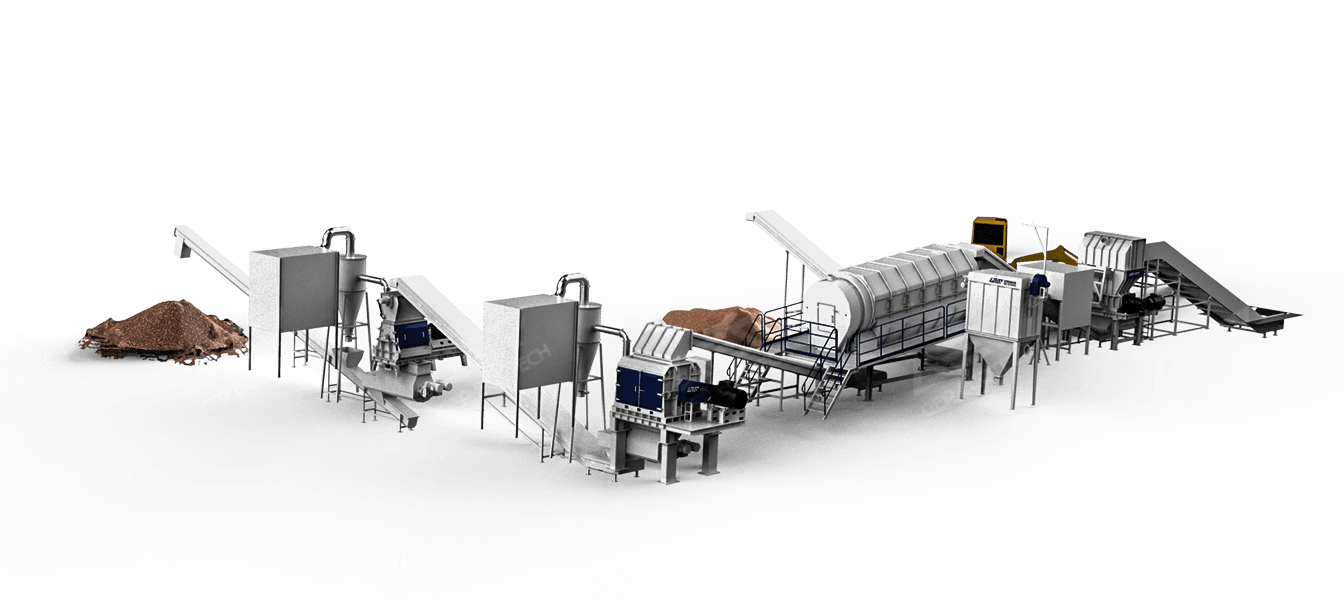
To steadily and continuously supply raw biomass to the shredder, with intelligent speed adjustment to prevent clogging from wet or uneven materials.
Learn MoreTo primarily shred bulk biomass into smaller fragments, featuring a heavy-duty cutting chamber and strong adaptability for high-capacity processing.
Learn MoreTo automatically remove ferrous metals from the biomass stream, achieving high-purity separation to protect downstream equipment.
Learn MoreTo effectively capture and filter dust generated throughout the process, maintaining clean operation and compliance with environmental standards.
Learn MoreTo separate oversized particles and foreign matter from shredded biomass, working in coordination with the magnetic separator to enhance material purity and safeguard subsequent processes.
To continuously transport materials between shredding, sorting, and fine grinding stages, ensuring a smooth and efficient workflow throughout the entire system.
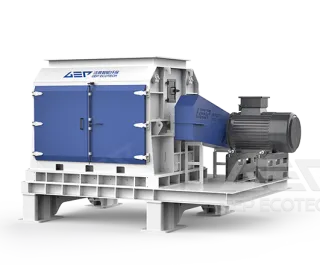
Learn MoreTo finely shred pre-shredded biomass into uniform small particles around 30–50mm, adaptable to various downstream requirements.
Learn MoreTo perform ultra-fine grinding of biomass materials, achieving final particle sizes below 10mm, meeting the stringent requirements for power generation or fermentation.
Learn MoreTo convey fine biomass particles in a closed, dust-tight manner between processing stages, ideal for feeding downstream equipment with controlled and reliable material flow.
Learn More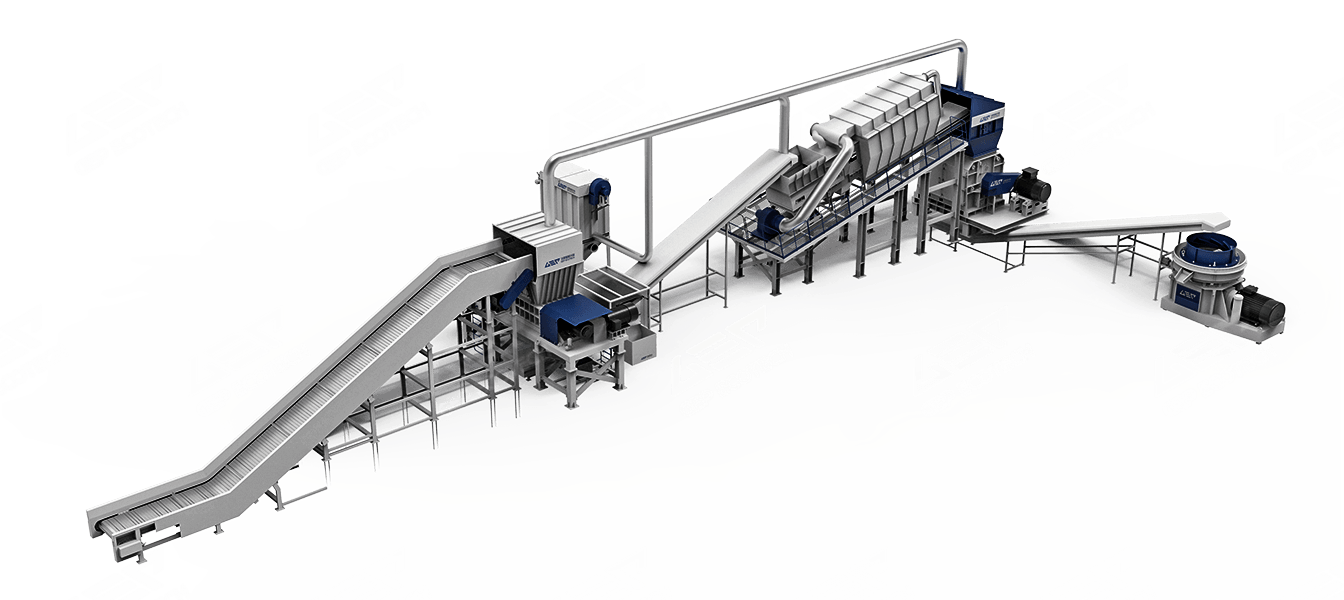
To steadily and continuously supply raw biomass to the shredder, preventing clogging with its robust design and adaptive speed control.
Learn MoreTo primarily shred bulk biomass into smaller fragments, featuring a heavy-duty cutting chamber for high-volume processing and strong adaptability.
Learn MoreTo automatically remove ferrous metals (such as nails and wires) from the biomass stream, protecting downstream equipment and improving fuel purity.
Learn MoreTo continuously transport materials between different processing stages (e.g., from shredding to sorting), ensuring smooth and efficient workflow.
Learn MoreTo separate light impurities (such as dust, plastics, and light fibers) from the shredded biomass, enhancing the purity and quality of the final fuel product.
Learn MoreTo finely shred pre-shredded biomass into uniform small particles, with adjustable screens to achieve precise particle size control for optimal forming.
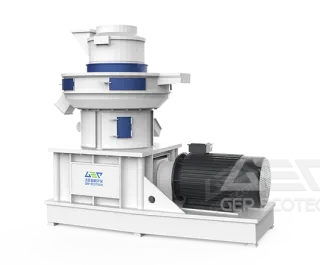
Learn MoreTo compress and densify the prepared biomass material into high-density, high-calorific solid fuel pellets, which are easy to store, transport, and combust.
To effectively capture and filter dust generated throughout the entire process, maintaining a clean operation and ensuring compliance with environmental standards.
Learn More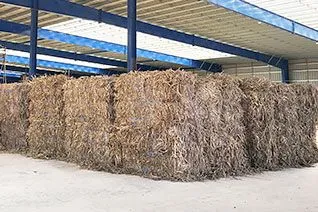
Sugarcane Leaves
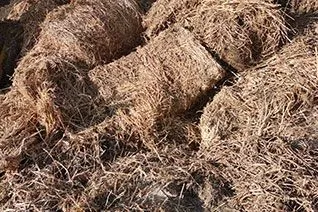
Straw
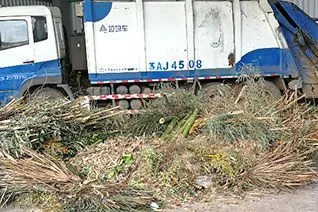
Bamboo
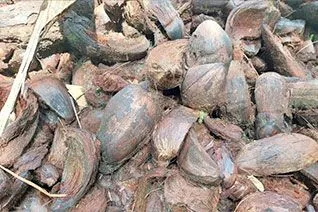
Coconut Husks
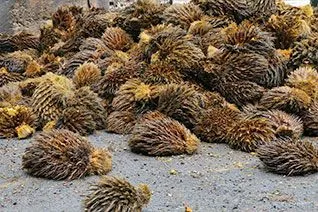
Empty Fruit Bunch (EFB)
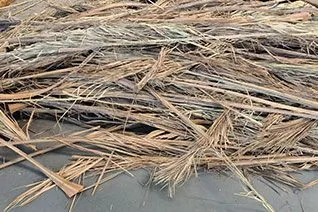
Palm Leaves
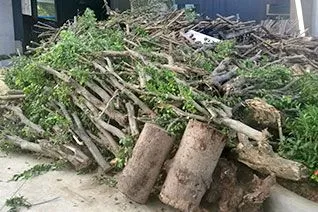
Garden Waste
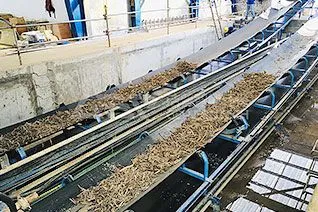
Sugarcane Leaves
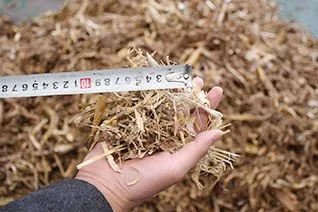
Straw
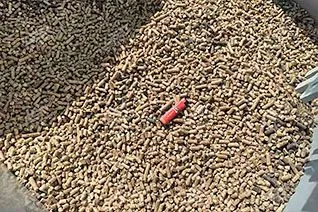
Biomass Pellets
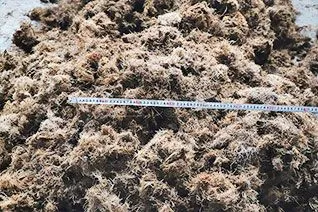
Palm Fiber
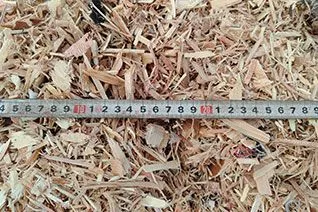
Wood
Tell us your material and capacity — our engineer will reply within 24h with a tailored solution.