Rubber waste encompasses discarded vulcanized rubber products like tires, conveyor belts, hoses, shoes, and industrial scraps, including production leftovers. Common disposal methods involve recycling through physical or chemical processes to produce reclaimed rubber, rubber powder, or applications in asphalt and sports equipment. The recycling of rubber waste is crucial for resource conservation, environmental protection and circular economy. Initial shredding and sorting are key steps to enhance the efficiency of downstream processing and enable effective material recovery.
Yoga Mat
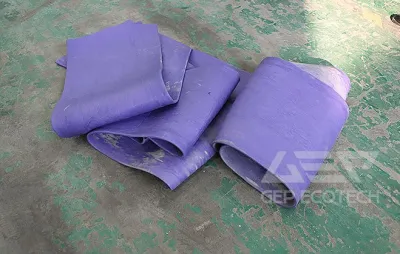
Before Shredding
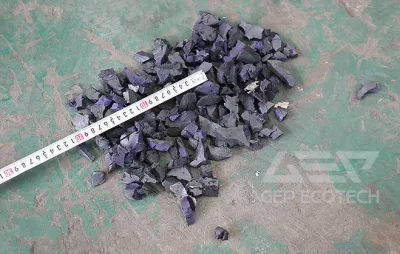
After Shredding
Rubber Tires
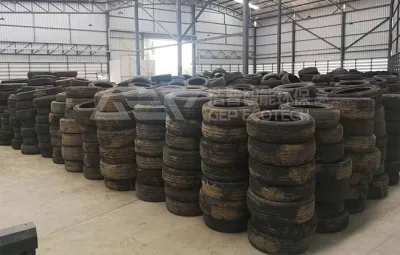
Before Shredding
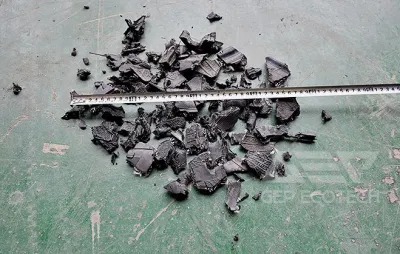
After Shredding
Mouse Pad
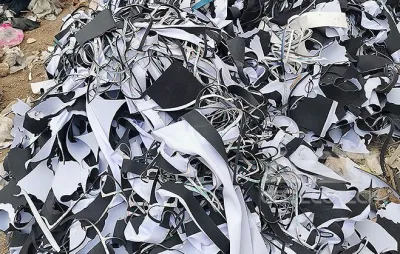
Before Shredding
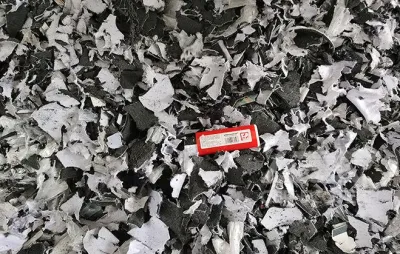
After Shredding
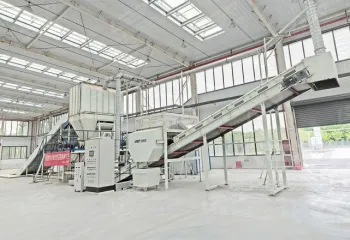
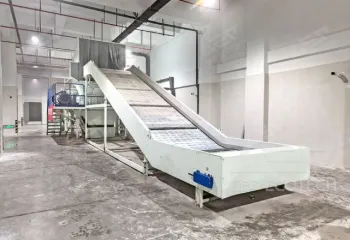
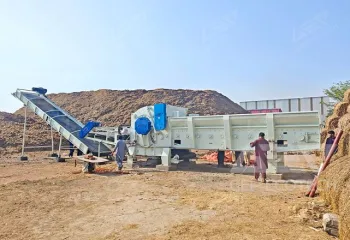
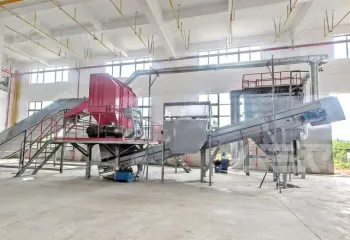
Our common disposal process for bulk rubber waste begins with feeding materials like tires, slabs, or industrial scraps via a Chain Plate Conveyor into a Double Shaft Shredder. Here, the rubber is torn into small, uniform chips or chunks through shearing and tearing. The shredded material is then discharged by a Belt Conveyor for further handling. The output can be directed to downstream processes for producing alternative fuel (e.g. TDF), rubber powder or used as recycled rubber.

Tire Debeader

Chain Plate Conveyor

Double Shaft Tire Shredder

Belt Conveyor
Note: This outlined process represents a general configuration, which is customizable to meet specific feedstock and final product requirements.
Tell us your material and capacity — our engineer will reply within 24h with a tailored solution.