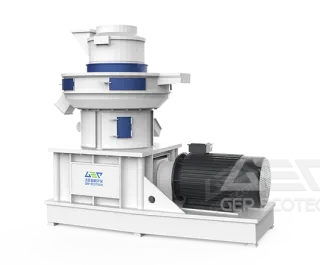
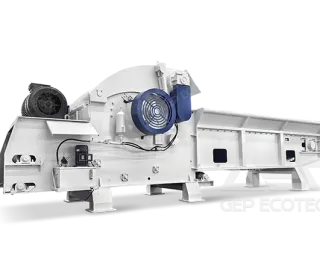
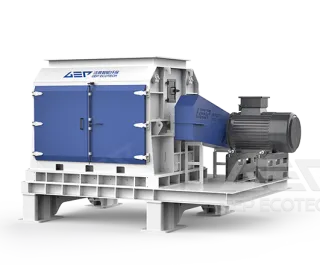
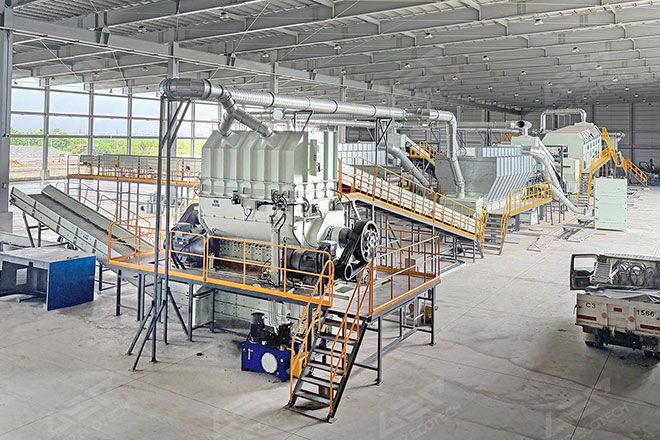
Pallet waste refers to damaged or end-of-life pallets made of wood, plastic, metal, or composite materials, which may take up valuable storage space. Common disposal methods include landfill, energy recovery, and material recycling. Recycling pallets reduces waste, conserves resources, and lowers carbon emissions. A key step in recycling is shredding and sorting, which processes pallet waste into reusable raw materials like scrap metals, plastic granules and wood chips, which can be transformed into energy sources for heating systems or be sold for profit, supporting a circular economy and maximizing resource recovery.
Wooden Pallet

Before Shredding

After Shredding
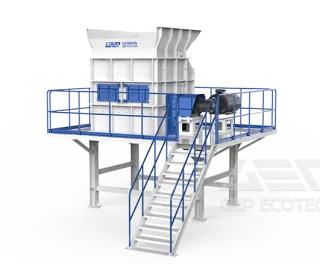
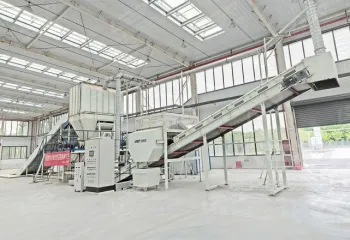
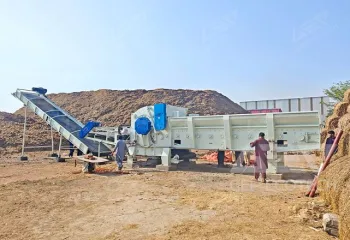
The typical process begins with feeding waste pallets, such as wooden ones, via a Chain Plate Conveyor into a Double Shaft Shredder. A hydraulic pusher assists in forcing materials into the cutting chamber for shredding. The conveyor automatically regulates speed based on the shredder's load for consistent feeding. Shredded material is then transferred by a Discharge Belt Conveyor. During this transfer, a Magnetic Separator is commonly employed to automatically extract ferrous metals from the output. The remaining material is collected for further processing or recycling, such as biomass fuel production or plastic pellet recovery.

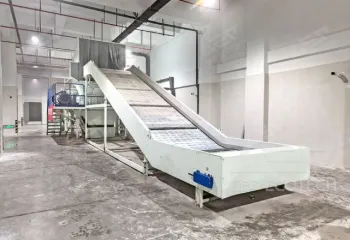
Chain Plate Conveyor

Double Shaft Shredder

Magnetic Separator

Belt Conveyor

Pulse Dust Collector
Note: This outlined process represents a general configuration, which is customizable to meet specific feedstock and final product requirements.
Tell us your material and capacity — our engineer will reply within 24h with a tailored solution.