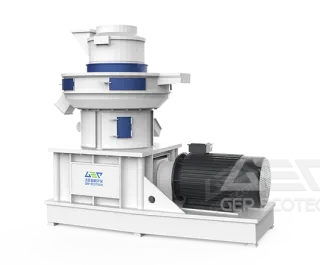
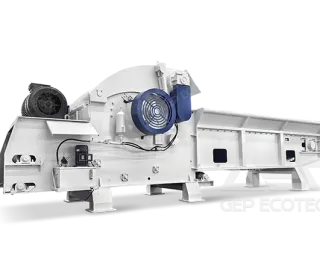
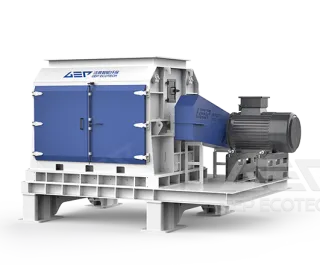
Scrap tires, generated from various vehicles worldwide, including passenger car tires, truck tires, bus tires, OTR tires, motorcycle/bicycle tires, require proper disposal to mitigate environmental impact. Common recycling methods include producing Tire-Derived Fuel (TDF), rubber granules, rubber powder, and pyrolysis oil, emphasizing resource recovery. Efficient recycling hinges on effective separation of rubber from steel and fabric. This leads to the essential shredding and sorting process, which prepares tires for further conversion into valuable materials.
Tire Shredded into Rubber Chips

Before Processing

After Processing
Waste Tire into Rubber Powder

Before Processing

After Processing
Tire Wire Separation

Before Processing

After Processing
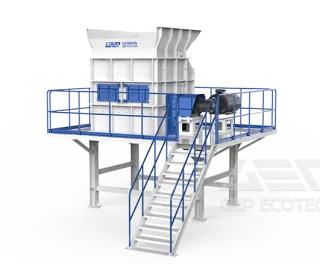
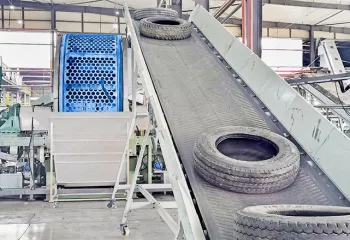
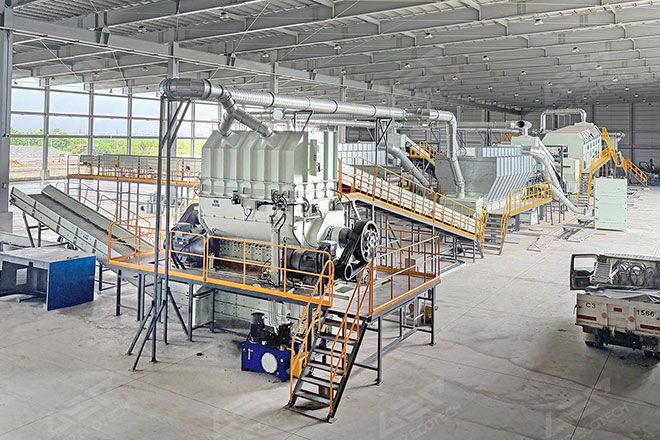
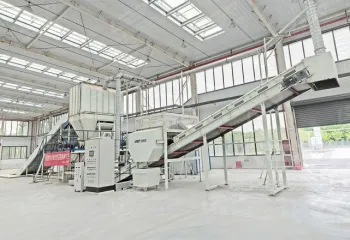
For steel-reinforced scrap tires, the common process begins with a Tire Debeader to remove steel wires, which are then fed via a Chain Plate Conveyor into a specialized Double Shaft Tire Shredder. This shredder combines tearing with screening rubber chips simultaneously. Finally, a Belt Conveyor outputs the processed rubber chips, which can be used as Tire-Derived Fuel (TDF) for combustion in facilities like cement kilns. Alternatively, they can be sent to a Rubber Grinding Unit for further processing into finer rubber granules or powder. These materials serve as raw materials for modified asphalt, runway, playground, recycled rubber, etc.

Tire Debeader

Chain Plate Conveyor

Double Shaft Tire Shredder

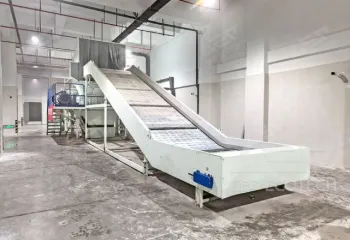
Belt Conveyor
Note: This outlined process represents a general configuration, which is customizable to meet specific feedstock and final product requirements.
Tell us your material and capacity — our engineer will reply within 24h with a tailored solution.