Plastic waste refers to discarded items made from various polymer types such as PP (food containers, toys), PE (bags, bottles), PVC (pipes, films), ABS (electronics, automotive parts). Common disposal methods include incineration, landfilling, recycling, and pyrolysis, with recycling being crucial for resource conservation, which can create long-term economic value for the users. For nearly all these treatment processes, efficient shredding and sorting are essential preliminary steps to improve material purity and downstream processing efficiency.
PVC Plastic Pipes
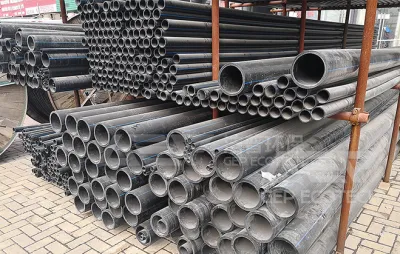
Before Shredding
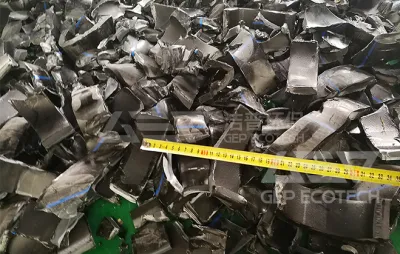
After Shredding
Agricultural Films
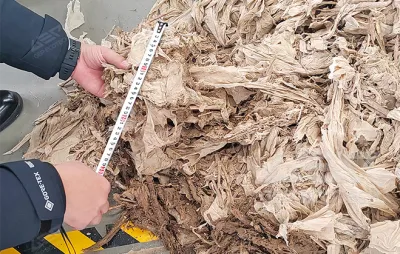
Before Shredding
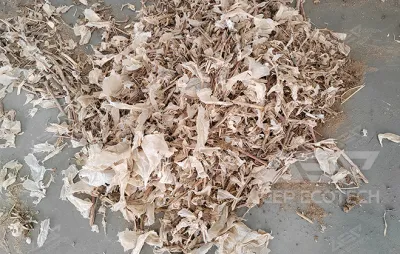
After Shredding
Plastic Bottles
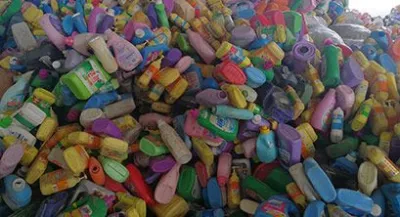
Before Shredding
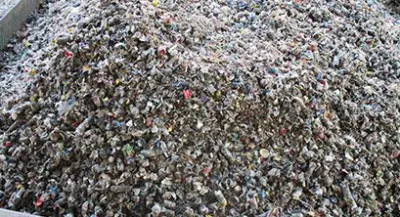
After Shredding
Plastic Bags and Films
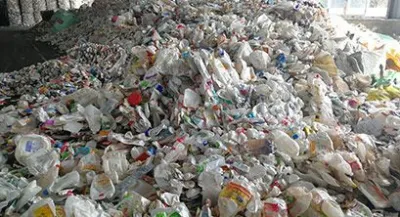
Before Shredding
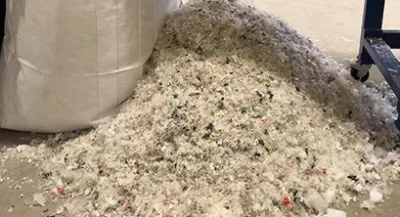
After Shredding
Big Bags
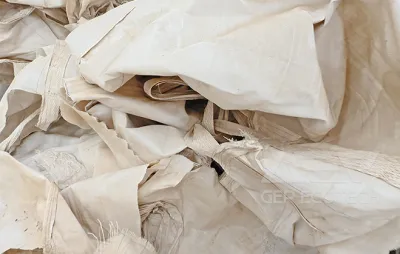
Before Shredding
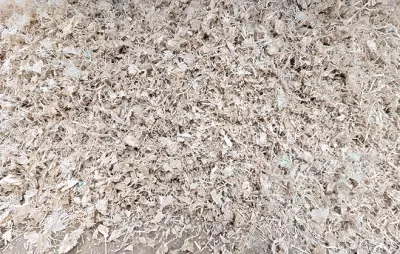
After Shredding
Light Plastic Rolls
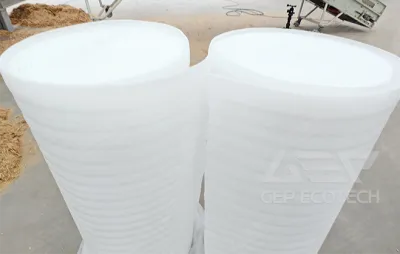
Before Shredding
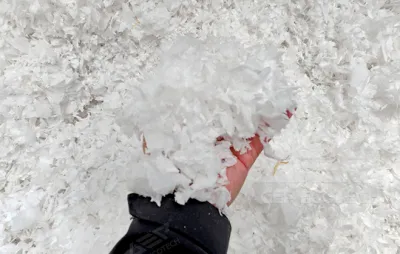
After Shredding
Plastic Drums
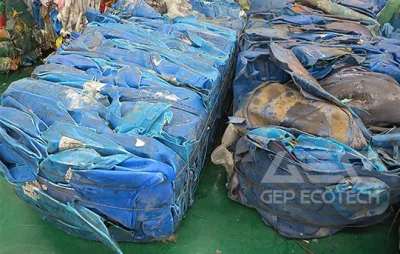
Before Shredding
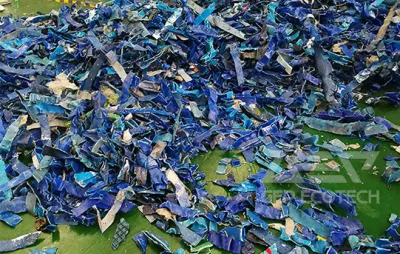
After Shredding
Plastic Packages
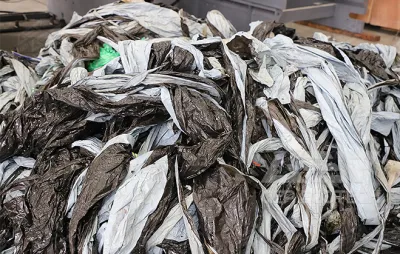
Before Shredding
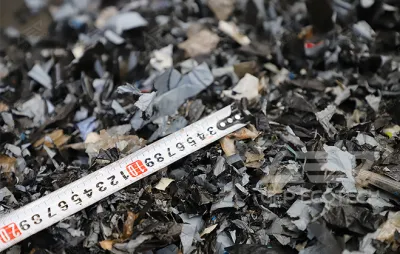
After Shredding
Plastic Ropes
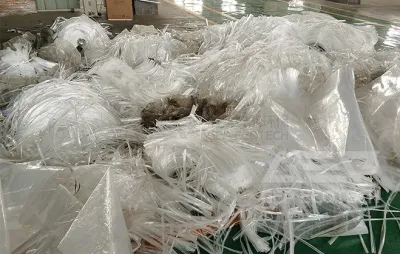
Before Shredding
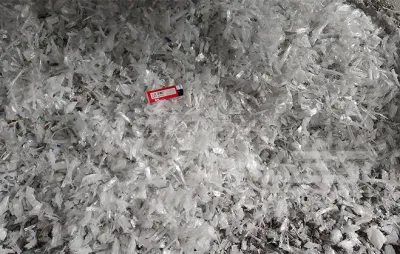
After Shredding
PVC Hard Plastics
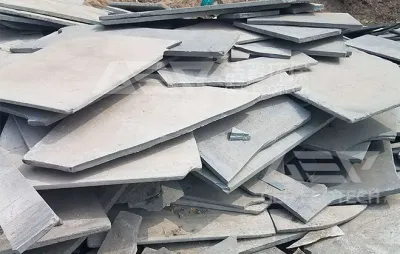
Before Shredding
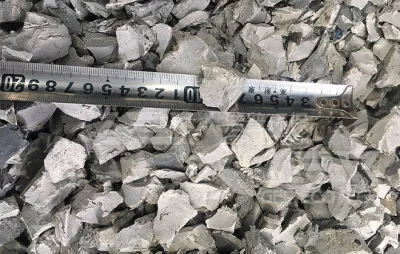
After Shredding
Thick Plastics
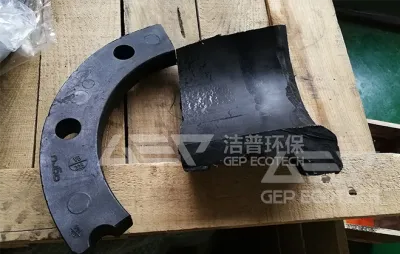
Before Shredding
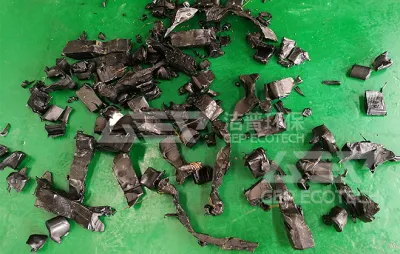
After Shredding
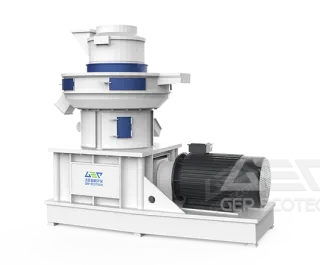
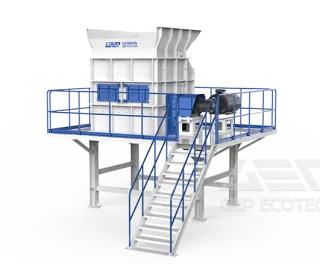
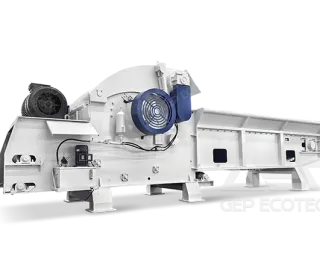
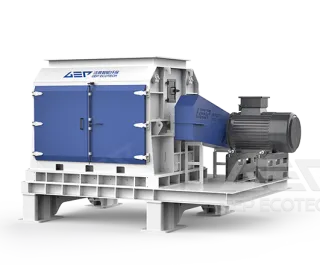
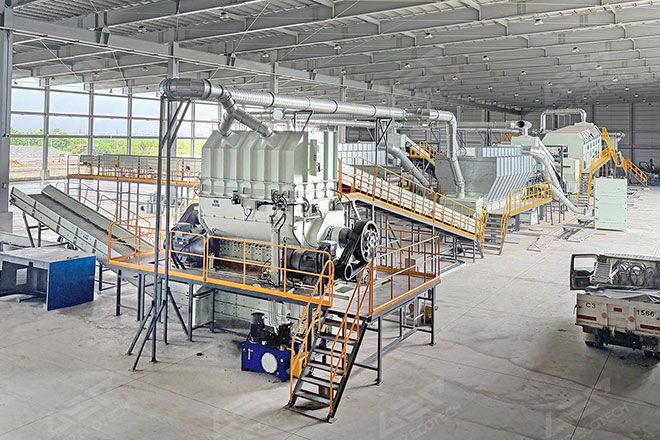
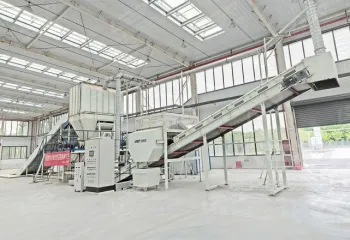
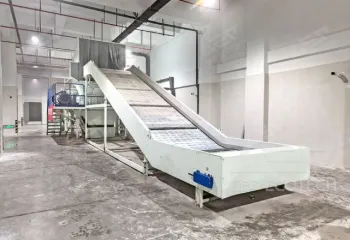
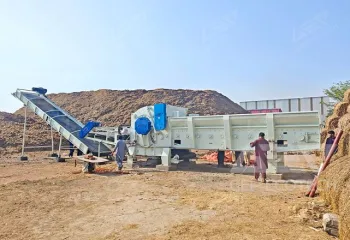
Our common plastic waste disposal process often involves a mechanical recycling line with customizable configurations. In a typical setup, a belt conveyor feeds waste plastics into a double shaft shredder for primary shredding. A magnetic separator removes ferrous metals from the fragmented material before it proceeds to a single shaft fine shredder for further size reduction. Finally, the processed plastic can be compacted for producing alternative fuel, by using equipment such as a hydraulic baler or an RDF pellet mill.

Belt Conveyor

Double Shaft Shredder

Magnetic Separator

Belt Conveyor

Single Shaft Shredder
Note: This outlined process represents a general configuration, which is customizable to meet specific feedstock and final product requirements.
Tell us your material and capacity — our engineer will reply within 24h with a tailored solution.