Textile waste, comprising production scraps and post-consumer items like discarded garments and household textiles, representing a resource potential that may have been underestimated. Currently, a low recycling rate exacerbates landfill pollution and resource waste. To enable sustainable recycling or energy conversion, effective initial processing is essential. Shredding and sorting serve as the critical steps, breaking down tough material for efficient downstream separation and recovery, thus transforming waste into valuable resources and supporting a circular economy.
Used Clothes

Before Shredding

After Shredding
Cotton Material

Before Shredding

After Shredding
Fishing Nets

Before Shredding

After Shredding
Polyester Fiber

Before Shredding

After Shredding
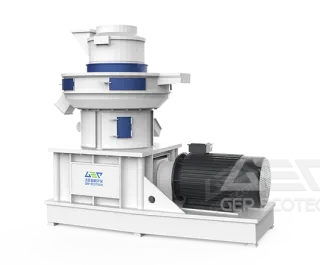
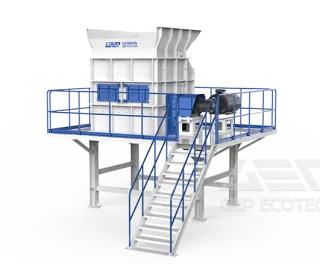
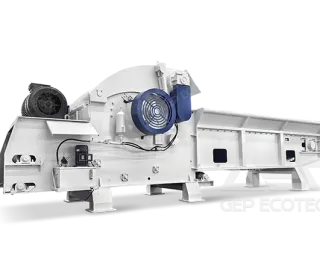
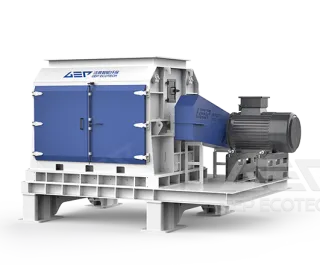
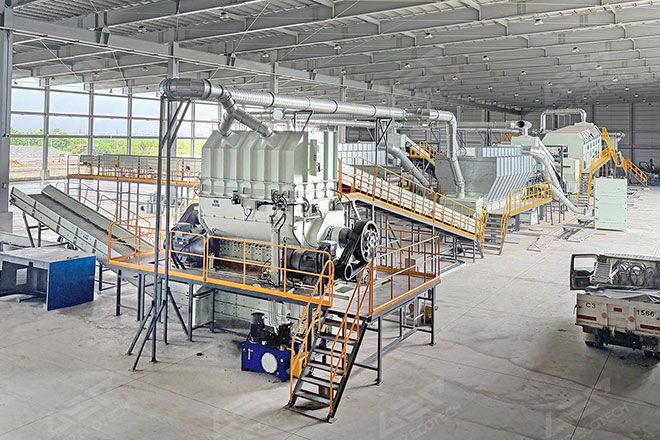
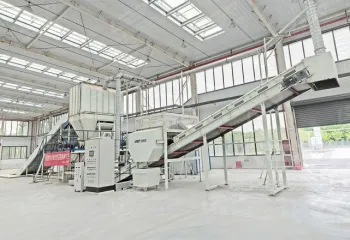
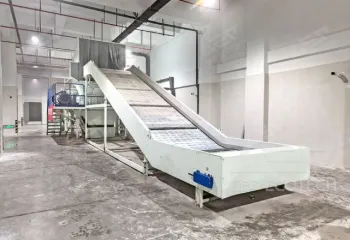
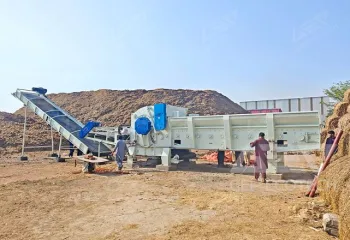
Our common mechanical recycling line for textile waste typically follows a multi-stage process. First, a belt conveyor feeds the material uniformly into a robust double-shaft shredder, which employs shear and tear forces to perform coarse primary size reduction. Subsequently, a magnetic separator suspended over the conveyor removes ferrous metals. The pre-shredded textiles are then transferred to a single-shaft fine shredder for further refinement to achieve the desired particle size. Finally, the processed output can be compacted by a hydraulic baler for storage/transport or directed to an RDF pellet mill for energy recovery.

Belt Conveyor

Double Shaft Shredder

Magnetic Separator

Belt Conveyor

Single Shaft Shredder
Note: This outlined process represents a general configuration, which is customizable to meet specific feedstock and final product requirements.
Tell us your material and capacity — our engineer will reply within 24h with a tailored solution.