
Construction and demolition (C&D) waste is often called a "golden resource in the wrong place". Without systematic sorting and processing, recyclable metals, aggregates, and combustible fractions end up in landfills, while natural sand and stone resources continue to be depleted. A 50 TPH facility—large enough to be economically viable and compact enough to be deployable—offers a practical middle ground for cities and contractors seeking to close the loop.
GEP ECOTECH Fixed C&D Waste Recycling System
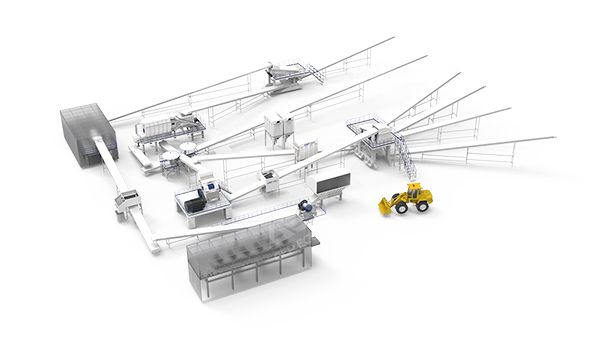
Our fixed C&D waste recycling system is a centralized, long-term facility with a design life of no less than 15 years. It has a complete process chain, high environmental-control standards, and a relatively large footprint and investment. It is typically planned as urban infrastructure and paired with recycled-product production lines. For mixed C&D waste, the system emphasizes front-end pre-sorting and multi-stage impurity removal because the material stream is highly heterogeneous.
Feeding and Pre-Screening
A bar vibrating feeder performs two-stage pre-treatment: the upper bar screen removes coarse oversized material, while the lower steel-mesh screen separates soil and fines before crushing. This reduces load on downstream equipment and improves aggregate cleanliness.
Crushing and Shaping
Jaw Crusher for Primary Reduction
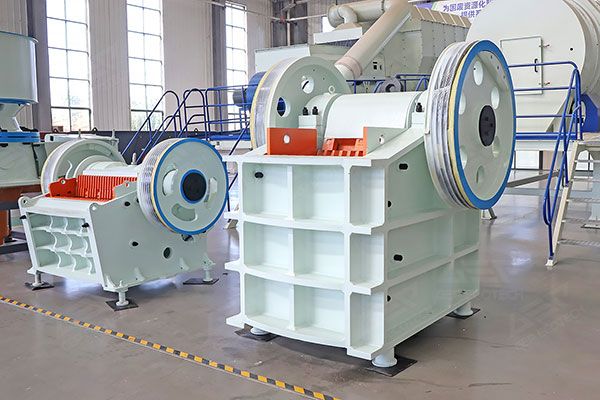
The GEC Series Jaw Crusher serves as the cornerstone of primary crushing in C&D waste recycling. It reduces large, irregular demolition debris—concrete blocks, bricks, and mixed rubble—through a powerful compressive "chewing" motion driven by a symmetrical V-shaped chamber, which accommodates larger feed sizes while reducing jaw plate wear. The assembled weldless frame and heavy-duty forged components provide the structural stability needed for continuous operation on abrasive C&D streams, making this unit the essential first step before downstream sorting and secondary crushing.
Impact Crusher for Secondary Crushing and Shaping
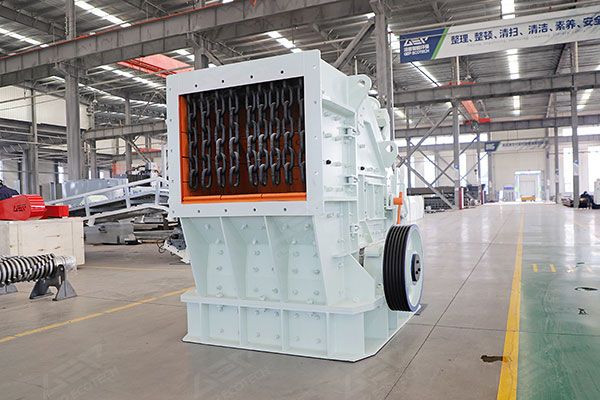
The GEF Series Impact Crusher follows the jaw stage and is specifically optimized for the challenges of construction and demolition waste. Using high-speed rotor impact rather than compression, it handles concrete, asphalt, bricks, and glass, producing a more cubical aggregate shape that is preferable for recycled aggregate applications. This impact action serves a dual purpose in the 50 TPH line: it further reduces the mineral fraction after primary crushing and simultaneously improves particle shape, reducing the need for a separate shaping step in many configurations.
Screening and Grading
Circular vibrating screens divide crushed material into calibrated fractions—typically 0–5 mm, 5–10 mm, and 10–31.5 mm. Check screens and product screens ensure stable grading, while an optional grinding system can produce recycled micro-powder.
Sorting and Impurity Removal
Magnetic separators recover ferrous metals; eddy-current separators recover non-ferrous metals; negative-pressure wind sifters remove light fractions; and manual sorting stations remove irregular textiles, rubber, wood, and residual household waste.
Dedusting and Environmental Control
Pulse dust collectors, spray systems, and enclosed workshops control dust and noise. When wet separation is used, wastewater is recycled and treated to avoid secondary pollution.
Advantages of the Configured System
The line's core advantage lies in layered sorting rather than single-stage crushing. Soil, metals, light fractions, and mineral aggregates are removed or recovered in sequence, so each downstream unit handles a cleaner and more predictable material stream. This staged approach protects crushing and screening equipment, reduces wear and downtime, and improves the purity and consistency of the final products.
The result is a stable, market-ready output portfolio—recycled aggregate, alternative fuel, recovered metal, plastic, and wood—rather than a single low-value crushed product. Multiple recovered streams create multiple revenue channels and reduce landfill disposal. The system is also modular and configurable: equipment can be selected or added according to the actual waste mix, target product specifications, and site conditions, while integrated dust control and enclosed processing support compliance with increasingly strict environmental requirements.
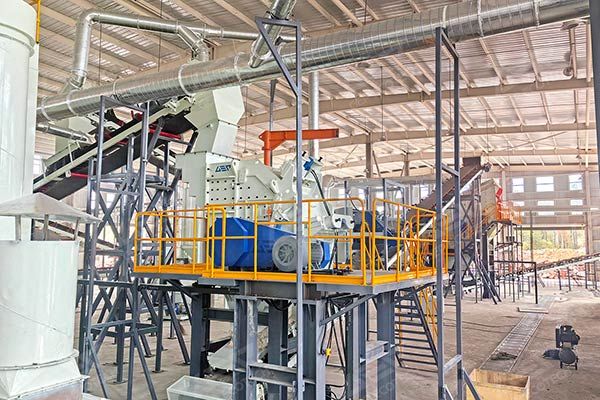
Success Case: 50 TPH C&D Waste Recycling in Jiangxi, China
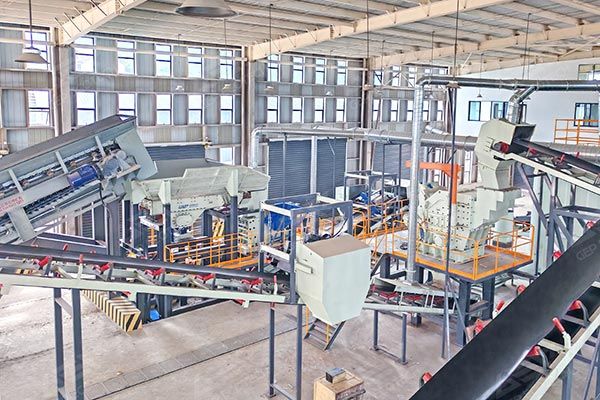
A 50 TPH C&D waste recycling project in Jiangxi processes mixed C&D waste into four standard fractions: 0–5 mm, 5–10 mm, 10–20 mm, and 20–31.5 mm. The aggregates are used for permeable brick production, while light fractions are sent to incineration for energy recovery. Despite a tight schedule, the project was completed on time and met performance expectations.
Customized and Mobile Solutions
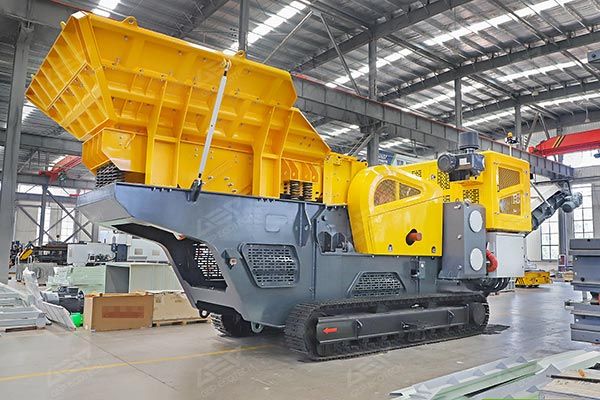
No two C&D waste streams are identical. GEP ECOTECH configures fixed systems around the actual material mix, site constraints, and target product specifications. For projects requiring relocation—such as demolition sites with short processing windows—the GEP ECOTECH mobile crushing plant delivers the same sorting and recovery logic in a flexible, infrastructure-free format.
To discuss a customized 50 TPH or larger C&D waste sorting and recovery solution, contact GEP ECOTECH.