Scrap metal waste refers to discarded metal fragments and offcuts from metallurgical and metal-processing industries, metal packaging from municipal waste, and end-of-life vehicles. As a valuable secondary resource, scrap metal is mainly recycled through remelting to produce regenerated metals. Part of the recovered material can also be directly reused in manufacturing machinery, components, tools, and civil products, helping reduce raw material consumption and energy use while supporting a circular economy.
Aluminum Bales
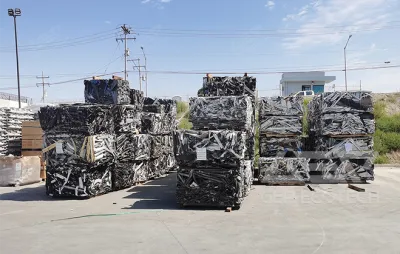
Before Shredding
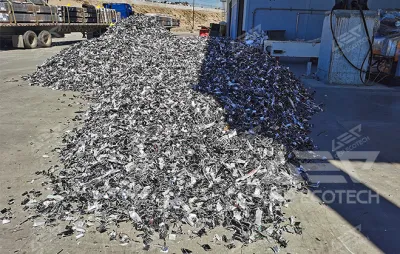
After Shredding
UBC
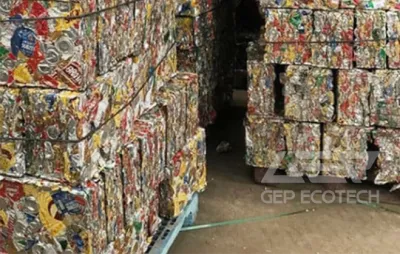
Before Shredding
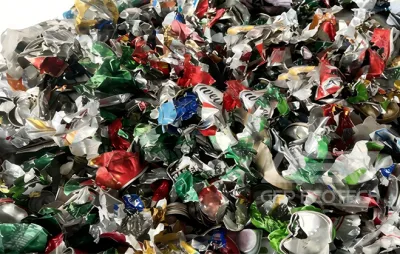
After Shredding
Fighter Wearing Parts
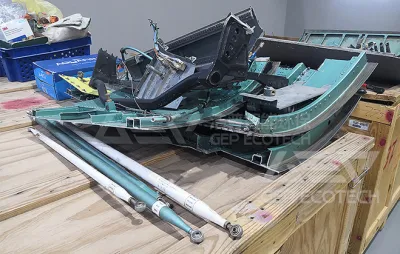
Before Shredding
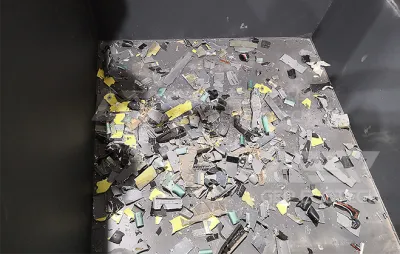
After Shredding
Copper Plate
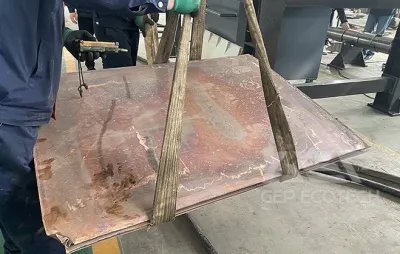
Before Shredding
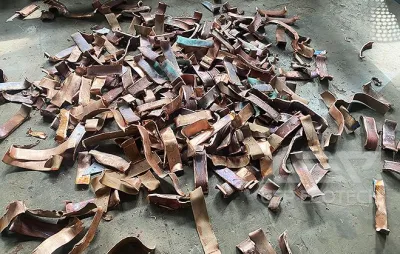
After Shredding
Aluminum Blocks
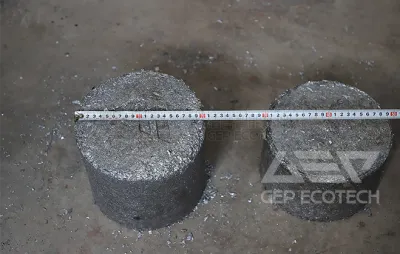
Before Shredding
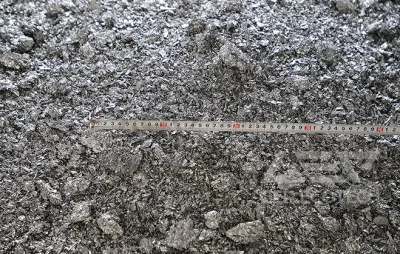
After Shredding
Metal Buckets
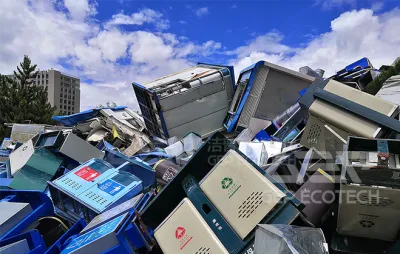
Before Shredding
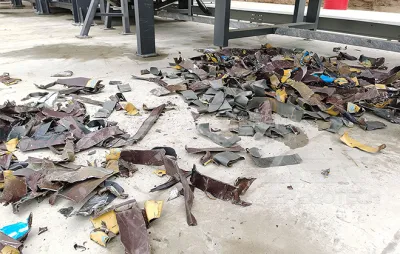
After Shredding
Metal Castings
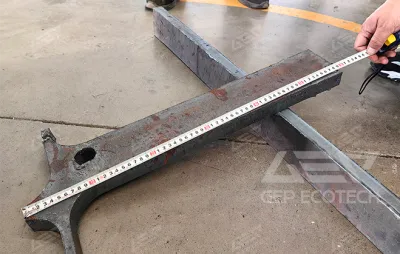
Before Shredding

After Shredding
Drum (container)
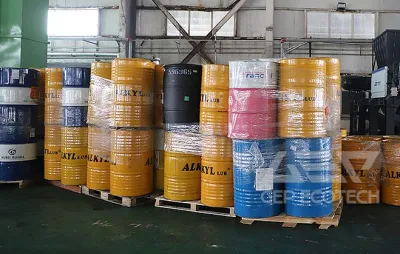
Before Shredding
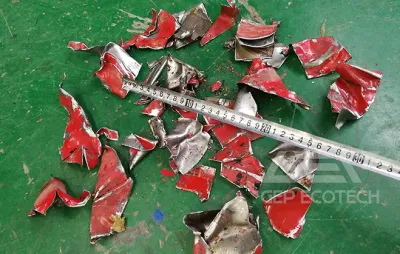
After Shredding
Aluminum Tube
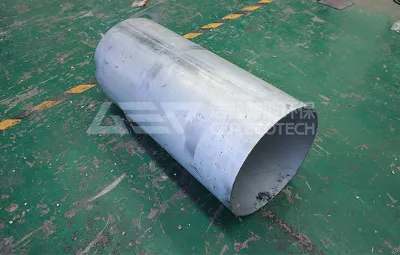
Before Shredding
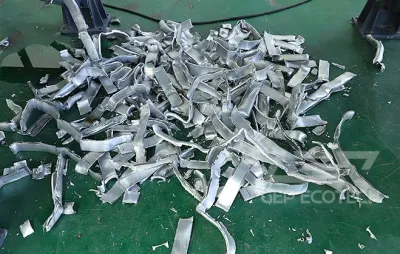
After Shredding
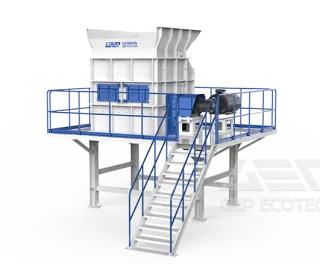
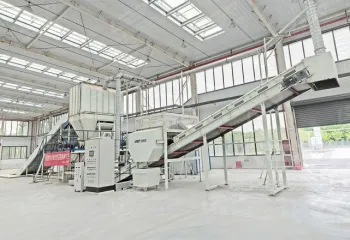
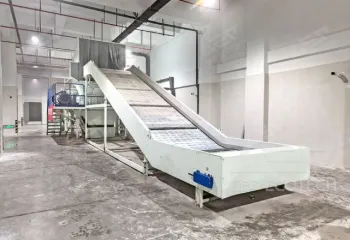
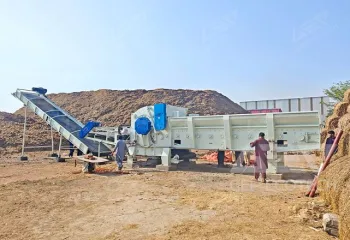
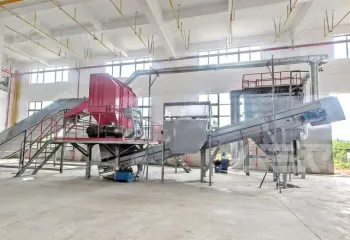
Mixed scrap metal is conveyed by an apron (chain) conveyor into a dual-shaft shredder, where the material is reduced in size through shearing, squeezing, and tearing actions. The shredded output falls onto a discharge belt conveyor and passes through magnetic separators to separate ferrous metals, non-ferrous metals, and non-metallic materials, each discharged by dedicated conveyors. The non-ferrous and non-metal fractions are subjected to secondary magnetic separation to recover residual free iron, improving ferrous recovery efficiency. An eddy current separator is then applied to extract non-ferrous metals, further enhancing overall recycling value.

Chain Plate Conveyor

Double Shaft Shredder

Magnetic Separator

Belt Conveyor

Eddy Current Separator
Note: This outlined process represents a general configuration, which is customizable to meet specific feedstock and final product requirements.
Tell us your material and capacity — our engineer will reply within 24h with a tailored solution.