Organic waste, also referred to as biodegradable waste, includes food scraps, leftovers, expired products, fruit and vegetable peels, eggshells, bones, slaughterhouse waste, flowers, green plants, and herbal residues. It primarily comes from household kitchens, restaurants, canteens, markets, and food-processing sectors. Proper management of organic waste enables resource recovery, transforming it into organic fertilizers, biofuels, alcohol, activated carbon, and other valuable products, supporting environmental sustainability while reducing landfill burden.
Food Waste

Before Shredding

After Shredding
Fruits and Vegetables

Before Shredding

After Shredding
Kitchen Waste

Before Shredding

After Shredding
Palm Fiber

Before Shredding

After Shredding
Straw

Before Shredding

After Shredding
Grass

Before Shredding

After Shredding
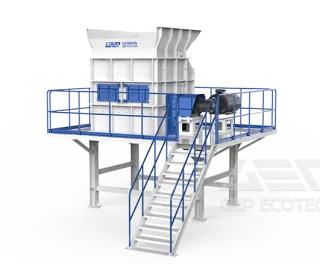
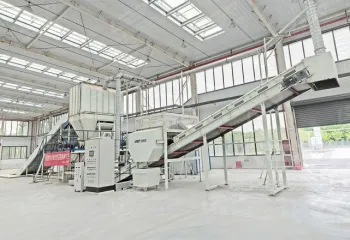
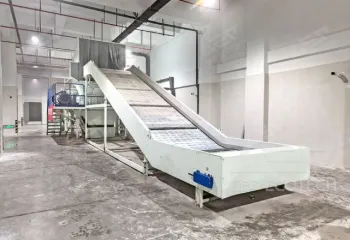
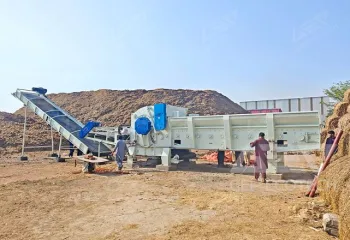
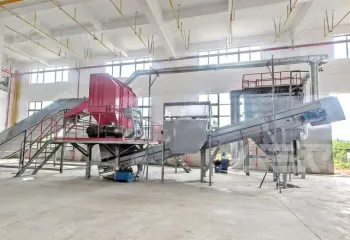
Hydraulic grapples place the organic waste into a multifunctional feeding device for preliminary dewatering, then the material is continuously and evenly fed into a large material sorter. Magnetic metals are removed by an magnetic separator, while plastics, paper, and other impurities are separated. Remaining materials enter a double-shaft shredder for size reduction and loosening, followed by a trommel screen and organic material fine sorter for further sorting and homogenization. Organic fractions are then dewatered via a screw press, while inorganics are sent to waste-to-energy facilities.

Multifunctional Feeding Device

Screw Conveyor

Large Material Sorter

Magnetic Separator

Double Shaft Shredder

Trommel Screen

Organic Material Fine Sorter

Screw Press Dehydrator
Note: This outlined process represents a general configuration, which is customizable to meet specific feedstock and final product requirements.
Tell us your material and capacity — our engineer will reply within 24h with a tailored solution.