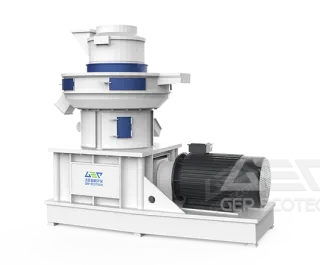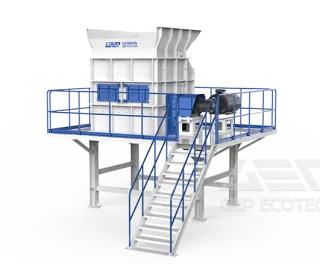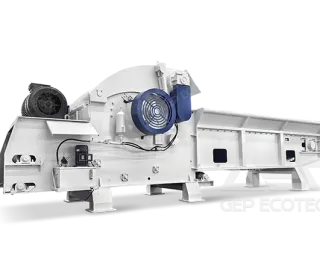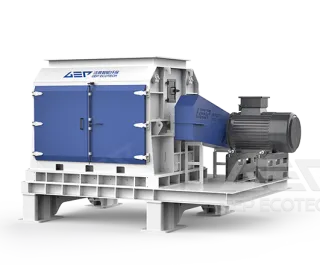

Refuse Derived Fuel (RDF) is a mainstream alternative fuel for cement kiln co-processing. It can replace coal, cut carbon emissions and help meet waste reduction compliance requirements. This modular RDF preparation system is specially designed for co-firing in cement rotary kilns and calciners. Its operational experience comes from a domestic MSW sorting centre in China. The plant runs at a baseline capacity of 6–8 TPH and can be modularly upgraded to 10 TPH. Combined magnetic separation and eddy current separation deliver up to 98% recovery of ferrous and non-ferrous metals.
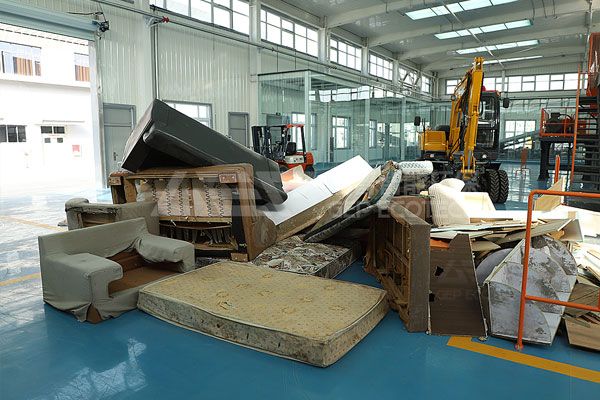
What is RDF for Cement Kilns
RDF is processed from lightweight combustible fractions of municipal solid waste, sorting residues, waste textiles, plastics and paper. Cement kilns impose strict requirements on RDF: uniform particle size, low impurities and controlled metal content.
Important note: Metal separation takes place entirely in the front-end RDF workshop. No metal recovery occurs inside the cement kiln. Trace residual metals are immobilised in clinker under high temperature.
Why Upfront Metal Removal Is Essential
Mixed waste contains nails, steel sheets, aluminium foil, copper parts, zippers and other metals. If these enter the processing line or kiln:
- They wear shredding equipment and cause costly unplanned downtime
- They scour refractory bricks, trigger preheater coating and blockages, and destabilise kiln thermal conditions
- They introduce heavy metals, jeopardise clinker quality and increase flue gas treatment load
- They reduce the calorific value of fuel
Pre-separation protects stable kiln operation. Recovered scrap metals can also be sold to generate extra project revenue.
Process Flow (Benchmarked on the Domestic Reference Plant)
Primary shredding (liberate embedded metals) → Permanent magnetic separation (ferrous removal) → Air classification (remove sand and stone heavy impurities) → Eddy current separation (optional, captures Al & Cu for 98% metal recovery) → Secondary fine shredding (adjust to kiln feed size) → RDF baling / conveying to kiln
- Basic configuration: coarse shredder + magnetic separator + air classifier + fine shredder + baler (standard at the domestic site, ferrous metal removal only)
- High-recovery configuration: add eddy current separator to achieve 98% combined metal recovery for the 10 TPH solution
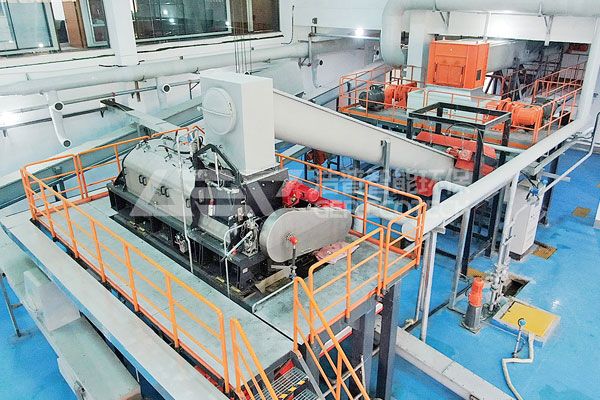
Reference Case: Operational MSW Sorting Centre in China
Operated under local environmental protection system; site visits available
- Current capacity: 6–8 TPH RDF output
- Scalability: modular upgrade to 10 TPH
- Feedstock: lightweight combustibles from domestic waste, waste textiles, plastics and paper
- End use: supplied to local cement plants as coal substitute
- Proven strength: handles high textile content feedstock and separates tiny metal fasteners trapped in fabrics reliably
About the 98% Metal Recovery Rate
This performance figure applies to free metals that are fully liberated and detectable. It is realised through sufficient shredding liberation plus magnetic and eddy current separation. Micro-metals tightly encapsulated inside materials cannot be separated, and their residual level is controlled within acceptable limits for cement kiln co-processing. Feed testing is recommended for complex waste streams.
Core Advantages
- Stable fuel quality with particle size customised for cement kiln feeding
- Flexible capacity expansion: upgrade from 6–8 TPH to 10 TPH without full plant reconstruction
- Dual revenue streams: low-carbon alternative fuel + saleable recycled metals
- Reduced refractory wear and lower risk of unplanned shutdowns
- Compatible with MSW light fractions, waste textiles and general industrial combustible residues
- Optional add-ons: drying system, enclosed dust collection and more
FAQ
- Q: Can metals be recovered during cement kiln combustion?
- A: No. All metal recovery is completed on the RDF pre-treatment line. The cement kiln only handles thermal treatment and heavy metal immobilisation.
- Q: Is site visiting available for this reference project?
- A: Yes, it is a commissioned benchmark plant open for inspection.
- Q: What is the typical RDF particle size?
- A: Customised per cement plant requirements; 20–80 mm is common for calciner feeding.
Enquire for Custom Solutions
If you plan a 10 TPH RDF line with 98% metal recovery for cement kilns, please share feed composition, moisture content and cement plant fuel specifications. We can provide process layouts, mass balance reports and reference site arrangement.