
As urban populations swell, the management of bulky municipal waste poses a significant challenge for municipalities worldwide. One effective solution gaining traction is the implementation of RDF (Refuse Derived Fuel) lines tailored specifically for processing bulky waste. This article explores the benefits and process of setting up an RDF line for managing bulky municipal waste.
Advantages of RDF Lines for Bulky Municipal Waste
- Efficient Resource Utilization: RDF lines allow for the extraction of valuable resources from bulky waste streams, such as plastics, paper, and metals. By processing this waste into RDF, municipalities can effectively recover these resources for reuse, reducing the strain on natural resources and promoting a circular economy.
- Waste Volume Reduction: Bulky waste occupies significant space in landfills, leading to accelerated landfill saturation and environmental concerns. RDF lines facilitate the compaction and conversion of bulky waste into fuel pellets or blocks, significantly reducing its volume. This not only extends the lifespan of existing landfill sites but also minimizes the need for new landfills.
- Energy Recovery: RDF derived from bulky waste possesses a high calorific value, making it an ideal source of energy for various industrial applications. By incinerating RDF in energy recovery facilities, municipalities can generate electricity or heat, contributing to sustainable energy production and reducing reliance on fossil fuels.
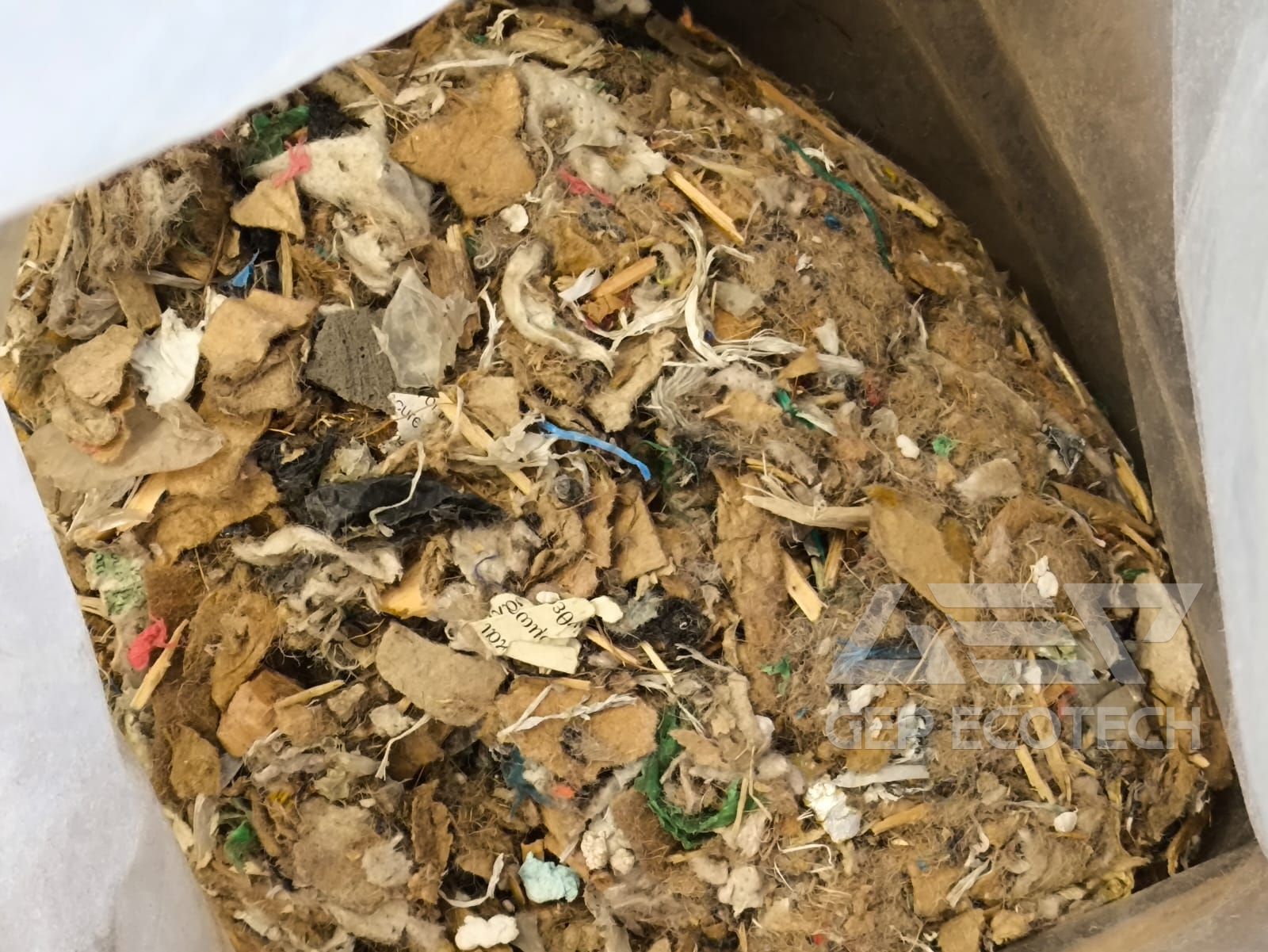
Process of Establishing an RDF Line
- Waste Sorting and Segregation: The first step in setting up an RDF line involves sorting and segregating bulky municipal waste. Advanced sorting technologies, including conveyor belts, magnetic separators, and manual sorting stations, are employed to separate recyclable materials from non-recyclable waste streams.
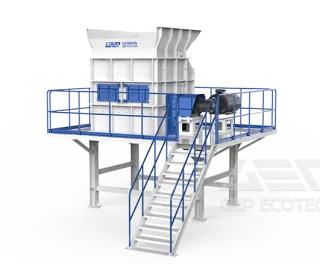
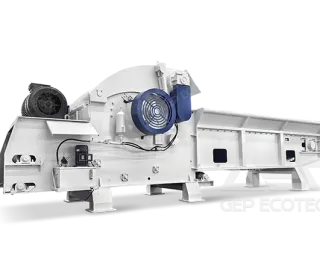
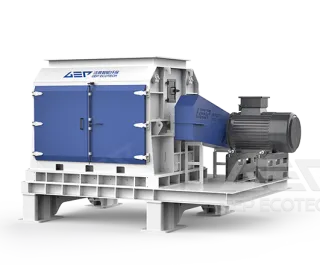
- Size Reduction and Shredding: Once sorted, the bulky waste undergoes size reduction and shredding processes to facilitate further processing. Industrial shredders are utilized to break down large items such as furniture, mattresses, and appliances into smaller, manageable pieces suitable for RDF production.
- Drying and Conditioning: The shredded waste is then subjected to drying and conditioning to remove excess moisture and improve the calorific value of the resulting RDF. This step enhances the combustibility of the fuel and ensures consistent quality in the final product.
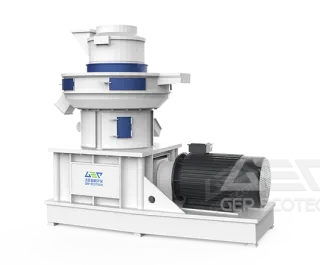
- Pelletization or Briquetting: The dried and conditioned waste material is compacted into fuel pellets or briquettes using pelletizing or briquetting machines. These compacted forms of RDF are uniform in size and density, facilitating storage, transportation, and combustion.
- Quality Control and Testing: Before distribution and use, the produced RDF undergoes rigorous quality control and testing procedures to ensure compliance with regulatory standards and specifications. Parameters such as calorific value, moisture content, and particle size distribution are assessed to guarantee optimal performance.
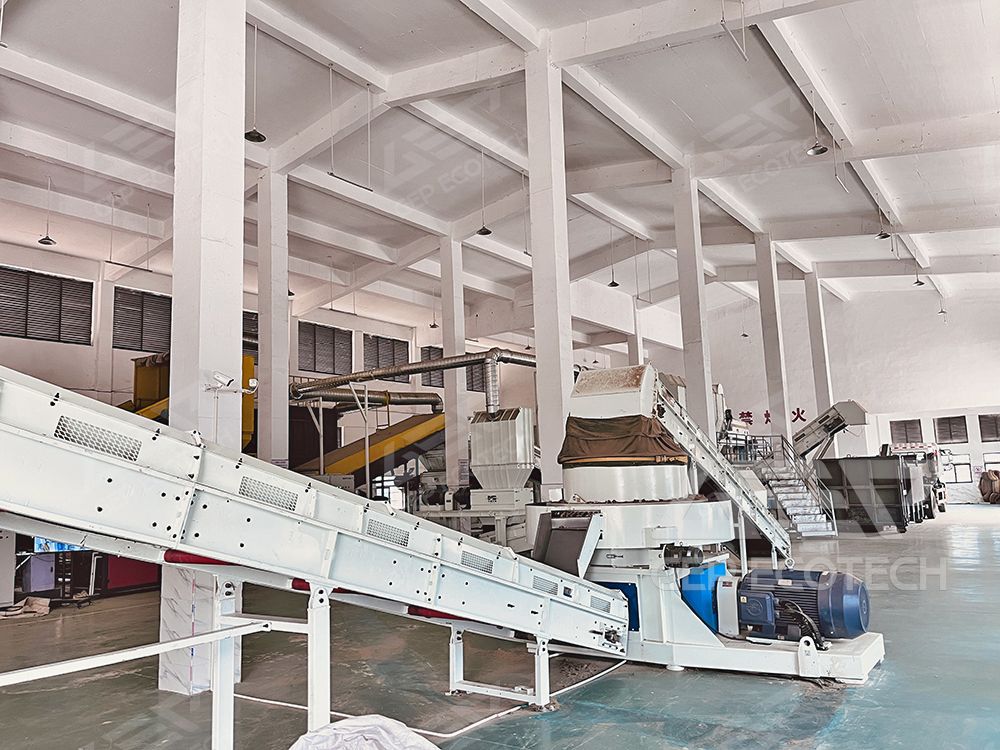
Bulky Municipal Waste RDF Line in Jiangxi, China(Click to Watch the Full Project Video)
Implementing RDF lines for bulky municipal waste management offers a sustainable and efficient solution to the challenges posed by urban waste accumulation. By recovering valuable resources, reducing waste volume, and harnessing energy from waste, municipalities can mitigate environmental impacts and promote resource conservation. With careful planning and investment in infrastructure, RDF lines have the potential to revolutionize municipal waste management practices, paving the way towards a cleaner and more sustainable future.