I've been in the shredding industry for over ten years. Many business owners often ask me how to choose a gypsum board shredder. Today, let's talk about it.
Where Does Waste Gypsum Board Come from?
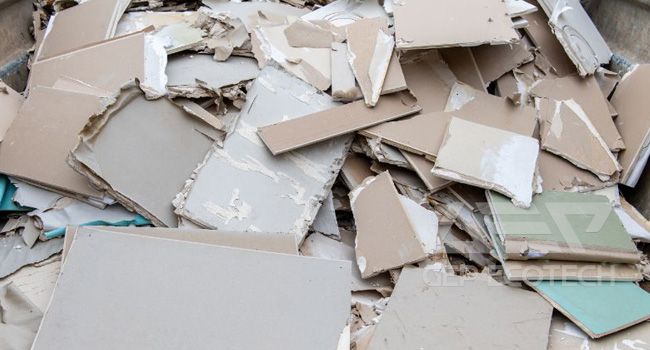
Waste gypsum board mainly comes from three sources:
- Renovation demolition: Old walls and ceilings removed during home renovations or office remodeling—this is the most common source.
- Factory rejects: Production line trimmings and quality inspection rejects.
- Transport damage: Boards damaged during shipping or installation.
These waste materials share a common characteristic: they have two layers of tough facing paper on the outside, with a brittle gypsum core in the middle. They often contain nails, wood strips, and concrete chunks. The key to choosing the right machine isn't just about "crushing"—it's about effectively separating the paper from the gypsum while handling those impurities.
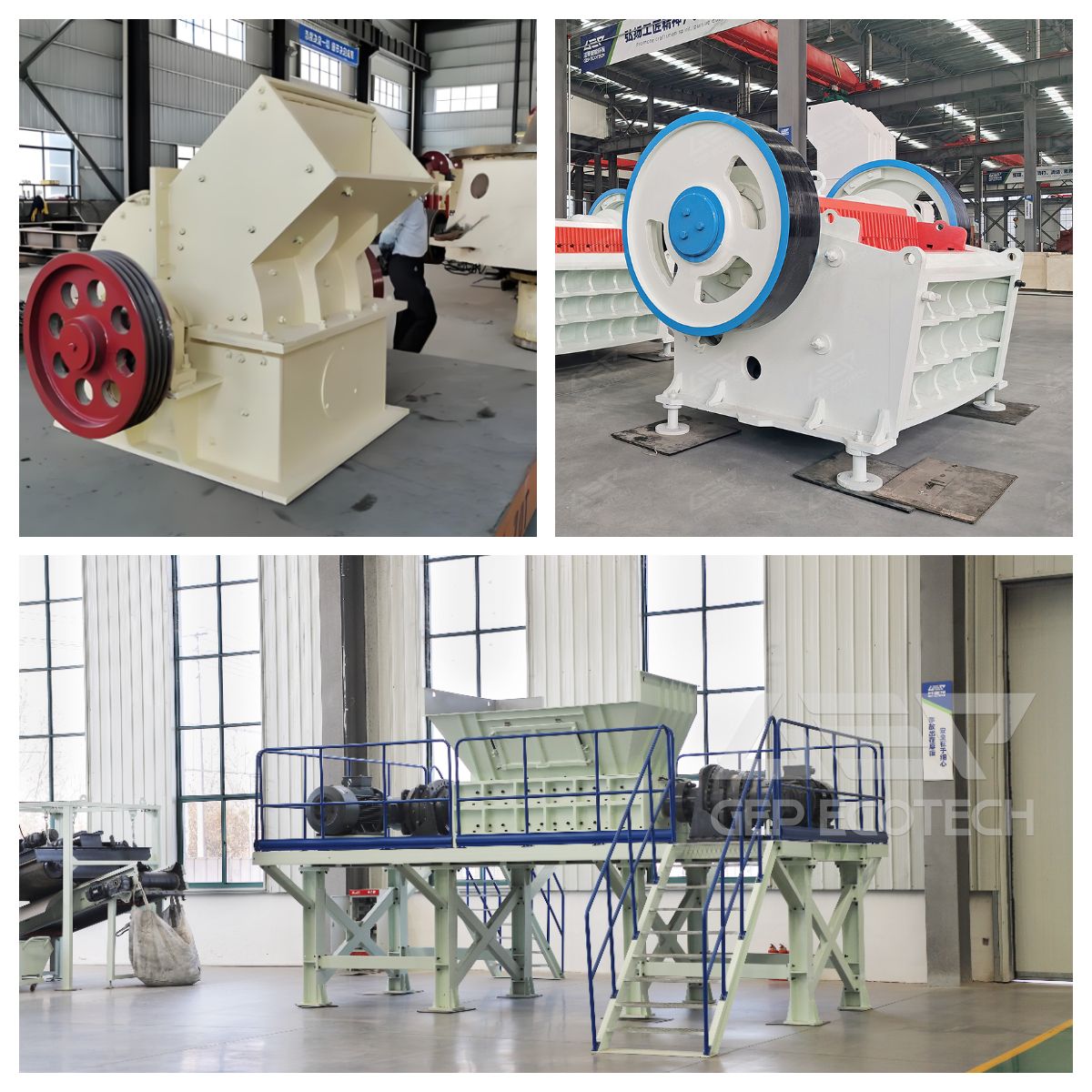
Comparison of Three Mainstream Equipment Types
Some owners try to save money by using mining crushers for gypsum board—that's actually a misconception. Let's take a look at the "Equipment Performance Comparison Table" below together.
Equipment Performance Comparison Table
| Parameter | Hammer Crusher | Jaw Crusher | Dual-Shaft Shredder |
|---|---|---|---|
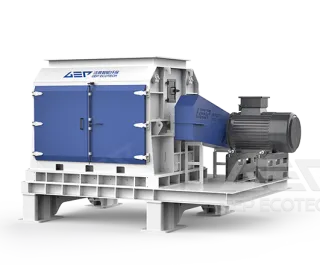
| Working Principle | High-speed impact (dusty) | Compression crushing | Low-speed shearing (less dust) |
| Facing Paper Handling | Paper mixes with gypsum, poor separation | Prone to clogging | Full shearing, good separation |
| Metal Impurities | Hammer heads prone to breakage/wear | Jaw plates easily damaged | Auto reverse protection, handling nails |
| Output Uniformity | Lots of fines, uneven | Chunky, coarse | Controllable size, good for sorting |
| Maintenance Cost | Frequent hammer replacement | Medium jaw plate life | Replaceable/weldable individual cutters |
| Overall Assessment | Suitable for small scale/paper-free material | Not recommended for boards | Mainstream, proven choice |
Why Is the Dual-Shaft Shredder the Current Standard?
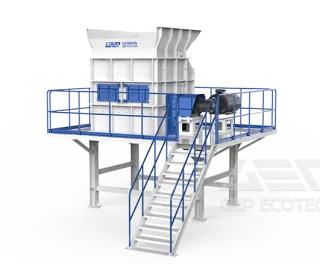
Considering gypsum board's characteristics (paper, nails, dust concerns), the dual-shaft shredder has become the standard solution:
- Shearing action handles facing paper effectively: The two shafts rotate against each other to tear the paper, allowing the gypsum core to naturally separate. This "tearing" action ensures higher purity of the final gypsum powder compared to the "smashing" action of hammer crushers.
- Clear environmental advantage: Dual-shaft shredders run at low speeds, so they don't kick up clouds of dust. In areas with strict environmental regulations, this is a critical advantage.
- Handles metal contaminants with ease: Nails and metal framing are common in gypsum board waste. Dual-shaft shredders come with smart monitoring—if they jam, they automatically reverse, reducing the risk of motor burnout or broken cutters.
- Large feed opening: You can feed whole sheets directly into the machine, unlike crushers that require pre-crushing.
Sizing and Budget Advice
- Match the model to your throughput: Generally, for under 5 tons per hour, a smaller shaft diameter model will suffice. For over 10 tons per hour, go with a high-torque, large cutting chamber machine.
- Don't just look at the equipment price: Calculate the long-term costs. Cutter wear resistance, gearbox brand, and smart anti-jamming systems determine whether you'll be constantly fixing the machine or running it profitably.
- Be careful with used equipment: It's hard for a non-expert to spot wear on the cutter shaft or fatigue in the machine frame. You might end up buying scrap metal.
- Pay attention to downstream processing: Shredding is just the first step. If you want to recycle the material into new boards or sell it to cement plants, you'll also need magnetic separators (to remove nails) and air classifiers (to remove paper).
(Feel free to leave us a message with your hourly processing target and purity requirements. We can provide a specific equipment package and parameter sheet.)