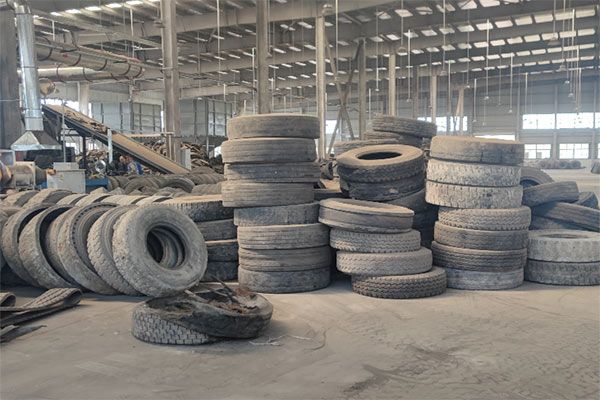
In recent years, the resource utilization of waste tires has become a hot topic in the environmental protection industry. Waste tires have high recycling value: they can be retreaded and reused, have their steel wires recovered for steelmaking, be ground into rubber powder, be pyrolyzed for oil, or be used as alternative fuel in cement kilns and power plants. The economic benefits can be considerable.
However, waste tires come in complex structures and types, and different recycling pathways have different requirements for the size, purity, and other characteristics of processed products. For newcomers, opportunities and challenges coexist. Large tires from heavy trucks and construction vehicles generally have large diameters, thick rubber layers, and relatively small quantities. They require heavy-duty equipment with higher costs and are usually not the first choice for beginners. By contrast, passenger car tires and light truck tires have large scrap volumes, stable sources, and many easy-to-operate, cost-friendly processing devices on the market, making them very suitable for newcomers to try first.
Design Concept and Advantages of the GEP ECOTECH Integrated Slicing and Dicing Machine
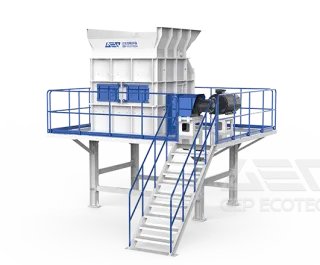
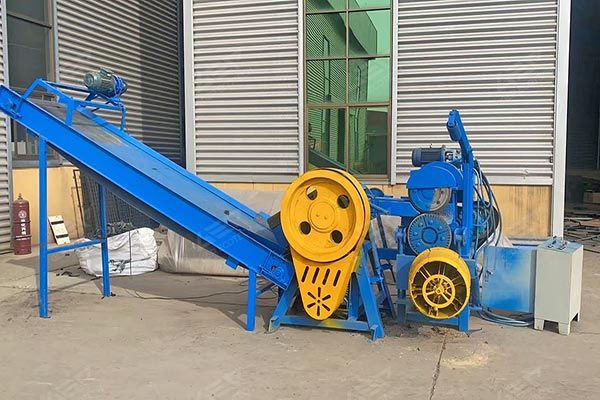
Traditional waste tire pretreatment often requires a combination of multiple machines, such as a slicer, a strip cutter, and a dicing machine. This results in scattered equipment, large space occupation, and cumbersome processes. The GEP ECOTECH Integrated Slicing and Dicing Machine combines three functions into one, offering full functionality and a compact structure. It can directly complete tire slicing and dicing in one process, effectively saving plant space while significantly improving overall processing efficiency.
The machine is designed to handle common passenger car tires and truck tires, covering common tire types in daily recycling operations. This makes it a practical choice for users who need a flexible machine rather than a complicated production line. Its integrated design also reduces the number of transfer steps and helps create a smoother workflow.
A Practical Choice for Beginners, Small Operators, and Budget-Conscious Starters
For investors who are new to the tire recycling industry, individual operators with modest daily processing volumes, and start-up recycling businesses with limited budgets, the GEP ECOTECH Integrated Slicing and Dicing Machine offers a low-barrier entry point. Instead of investing in a complex combination of separate machines, users can start with one compact unit that covers the core pretreatment steps of slicing and dicing. This helps reduce initial equipment investment and avoids unnecessary complexity in site planning and production management.
The machine is easy to operate. Only one person is required for feeding to complete the entire process, which greatly reduces labor demand and makes daily operation simple for small teams. Its compact design allows flexible operation and management even in tight spaces, making it especially friendly to customers with limited site conditions. For individual operators and small recycling stations, this small footprint is a major advantage because it leaves more room for storage, loading, and downstream processing.
Efficiency is another key benefit. The integrated design allows tires to be sliced and diced in one process, reducing material handling and improving overall processing efficiency. At the same time, the machine is designed with low energy consumption in mind, helping users control operating costs during daily production. For budget-sensitive starters, lower energy use and lower labor demand can make a real difference to project profitability.
Maintenance is also straightforward. The machine’s compact and integrated structure provides convenient access for routine inspection and maintenance, helping reduce downtime and keep production stable. This is particularly important for small operators who may not have a large maintenance team. With simple operation, easy maintenance, high efficiency, low energy consumption, a small footprint, and a friendly price point, the GEP ECOTECH Integrated Slicing and Dicing Machine is well suited to beginners and small-scale tire recycling businesses.
Downstream Utilization Pathways
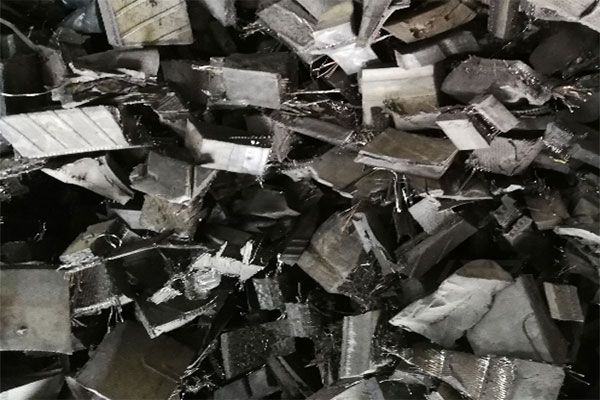
The processed rubber chunks can be used in several downstream pathways. They can be sold directly as Tire-Derived Fuel (TDF) to cement plants and power plants, or be fed into tire pyrolysis equipment to produce pyrolysis oil and carbon black. For users pursuing a higher-profit processing chain, a rubber grinding unit can be added downstream to obtain tire steel wire and rubber powder. Rubber powder can be used as alternative fuel, pyrolysis feedstock, asphalt additive, or raw material for recycled rubber products.
Services We Provide
GEP ECOTECH has been deeply involved in the waste tire disposal field for many years and can provide all-round support. Customized solutions can be designed based on actual operating conditions, capacity requirements, site limitations, and downstream product plans. The company also has extensive successful project cases in domestic and international markets. After-sales support covers on-site installation guidance, equipment commissioning, operation training, and comprehensive service to ensure smooth project implementation and long-term stable operation. Whether you are evaluating a waste tire recycling project or already have a mature production plan, GEP ECOTECH is willing to provide professional equipment selection references and customized solutions based on your actual operating conditions.