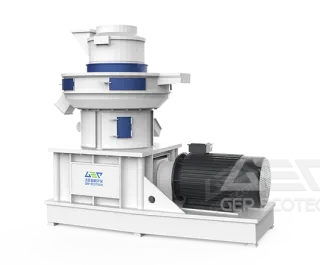
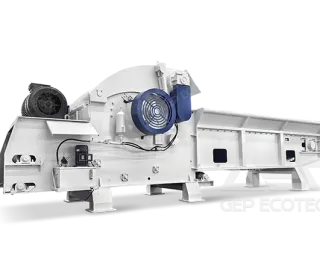
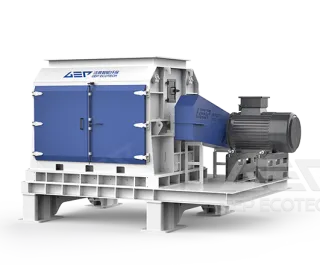
Wood waste refers to various discarded wood materials like branches, pallets, timber offcuts and used MDF. Common disposal methods include landfilling, incineration, and more sustainably, recycling. Recycling wood waste is significant as it conserves resources, reduces landfill burden, and supports a circular economy, in which shredding and sorting are crucial pretreatment steps. Shredding enables efficient volume reduction, and sorting improves the purity and quality of the final products, thus increasing the conversion of valuable products, such as biomass fuel, particleboard, or paper pulp.
Wood Logs

Before Shredding

After Shredding
Tree Barks

Before Shredding

After Shredding
Wooden Pallets

Before Shredding

After Shredding
Tree Root

Before Shredding

After Shredding
Garden Waste

Before Shredding

After Shredding
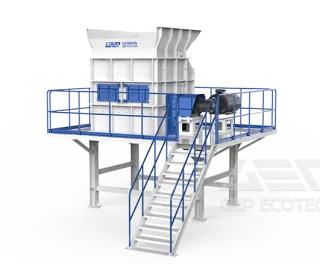
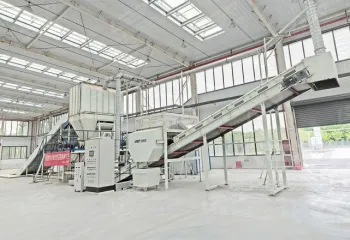
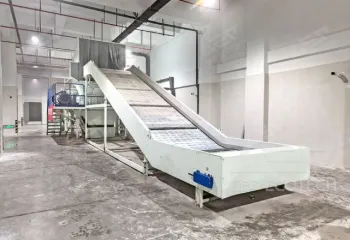
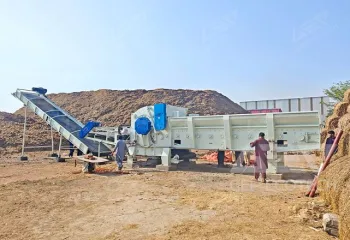
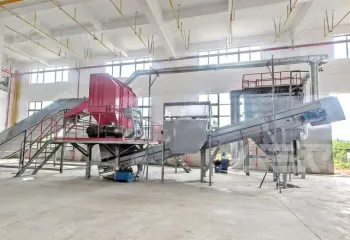
The typical wood waste disposal process begins with feeding materials via a chain plate conveyor into a double-shaft shredder. A hydraulic pusher above the shredder compacts the waste into the cutting chamber for efficient size reduction. The conveyor automatically adjusts its speed based on the main motor load to ensure a consistent and optimal feed rate. Shredded material is then discharged onto a belt conveyor. A magnetic separator can be integrated to remove metal contaminants, while a pulse dust collector controls airborne particles. This modular setup allows for flexible customization based on specific output requirements.

Chain Plate Conveyor

Double Shaft Shredder

Magnetic Separator

Belt Conveyor

Pulse Dust Collector
Note: This outlined process represents a general configuration, which is customizable to meet specific feedstock and final product requirements.
Tell us your material and capacity — our engineer will reply within 24h with a tailored solution.