Computer hard drives (HDD/SSD) are the primary data storage devices in computers and often contain highly sensitive information related to governments, enterprises, or individuals. Improper disposal may lead to data leakage and serious losses. Secure destruction through industrial shredding is therefore essential to ensure that data cannot be restored. High-torque shredders physically damage hard drives and storage media, achieving complete and irreversible data destruction. The same shredding approach is also widely applied to other confidential carriers, such as corporate contracts, technical drawings, computer hosts, CDs, USB drives, circuit boards, and audio or video tapes.
Hard Drive

Before Shredding

After Shredding
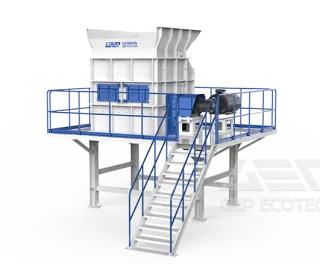
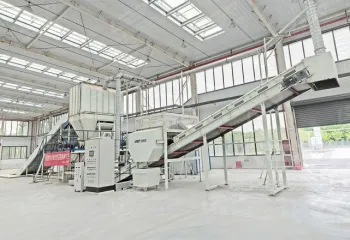
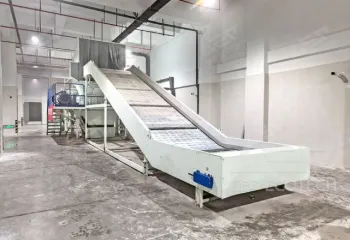
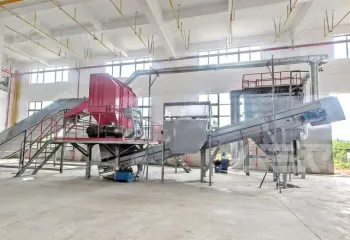
Hard drives placed on a belt conveyor are fed continuously and evenly into a twin-shaft shredder. Through the tearing and shearing action of the counter-rotating cutter shafts, the hard drives are shredded into small fragments to ensure irreversible data destruction. The shredded material is then discharged by an output conveyor equipped with an overband magnetic separator, which removes ferromagnetic metals such as iron. Non-ferrous metals, including copper and aluminum, can be further recovered by an eddy current separator. This is a standard process and can be customized according to project requirements.

Belt Conveyor

Double Shaft Shredder

Magnetic Separator

Belt Conveyor

Eddy Current Separator
Note: This outlined process represents a general configuration, which is customizable to meet specific feedstock and final product requirements.
Tell us your material and capacity — our engineer will reply within 24h with a tailored solution.