Electronic waste refers to discarded electrical and electronic equipment (WEEE) and components, such as computers, printers, mobile phones, circuit boards, and digital accessories including cables and chargers. E-waste contains high-value precious and rare metals, but also hazardous substances that pose serious environmental risks. Therefore, it cannot be treated through simple landfilling or incineration. Through shredding and sorting processes, valuable materials can be efficiently recovered while harmful components are safely separated for compliant treatment.
Circuit Board
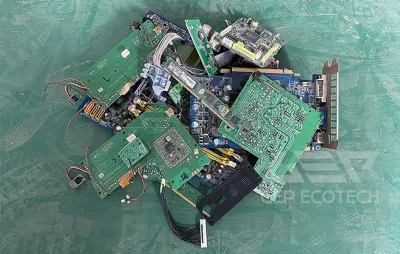
Before Shredding

After Shredding
CD

Before Shredding
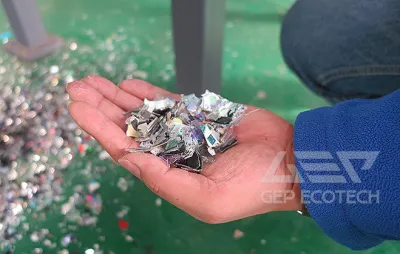
After Shredding
Waste Computer
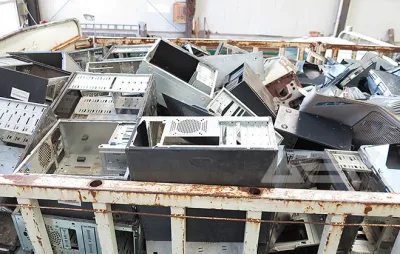
Before Shredding

After Shredding
Used Battery
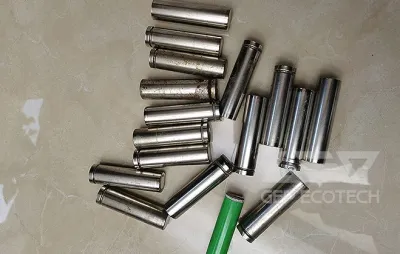
Before Shredding
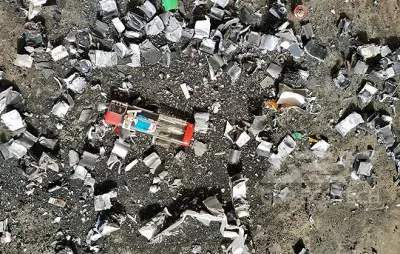
After Shredding
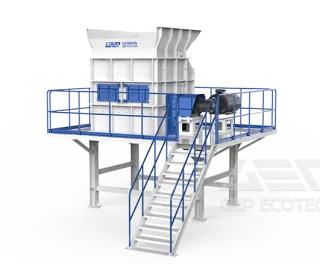
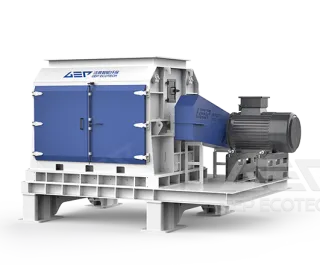
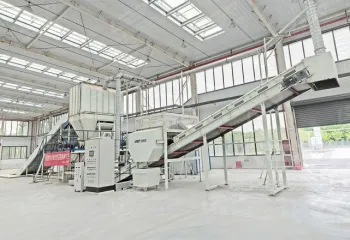
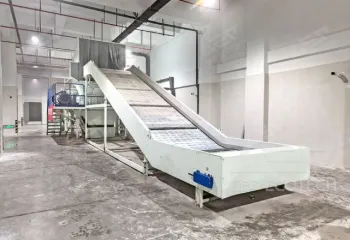
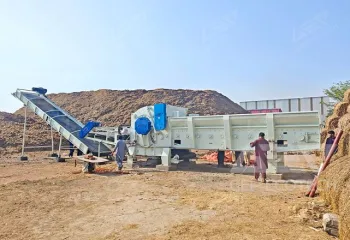
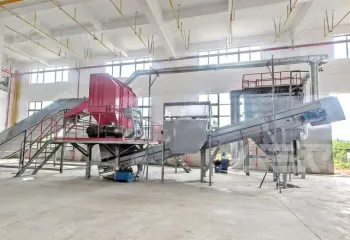
Electronic waste is first conveyed at a controlled rate by a chain plate conveyor to a dual-shaft shredder, where bulky items are reduced into smaller pieces. The shredded material then passes under an overband magnetic separator installed above a belt conveyor to remove ferrous metals such as iron and nickel. The remaining fraction is further conveyed to a hammer crusher for fine size reduction, ensuring effective liberation of metals and non-metals. Subsequently, an eddy current separator recovers non-ferrous metals including copper, aluminum, and zinc. Dust generated throughout the process is continuously captured by a pulse dust collector, filtered through bags, and discharged in compliance with environmental standards, completing efficient e-waste sorting and preliminary resource recovery.

Chain Plate Conveyor

Double Shaft Shredder

Magnetic Separator

Belt Conveyor

Heavy-Duty Hammer Crusher

Belt Conveyor

Eddy Current Separator

Pulse Dust Collector
Note: This outlined process represents a general configuration, which is customizable to meet specific feedstock and final product requirements.
Tell us your material and capacity — our engineer will reply within 24h with a tailored solution.